Technique · 23 April 2026
Ikijime and bleed-out: how to humanely dispatch a speared fish (and get better meat)
Humane fish dispatch for Thai spearos. How ikijime works, why it makes the meat measurably better, and the one tool every spearo should have on their belt.
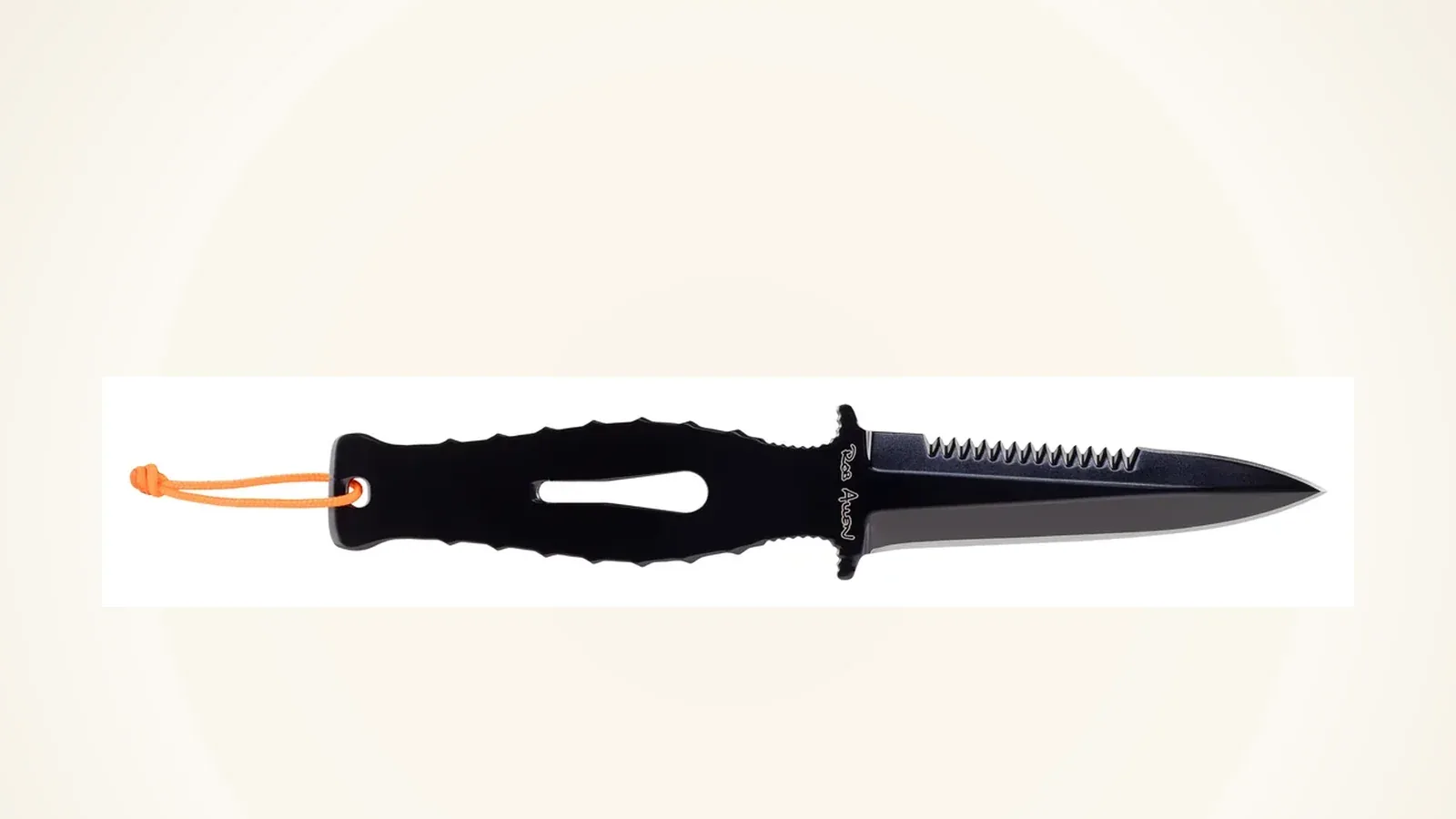
Ikijime and bleed-out: how to humanely dispatch a speared fish (and get better meat)
Most new spearos hit a fish, boat it, throw it in the cooler, and let it suffocate. It’s slow, it’s unkind, and — unglamorously — it makes the meat worse. Stress hormones flood the flesh during the 5-15 minute death agony, and you get a gamey, stringy dinner that won’t feel like a reward. Ikijime (Japanese: 活け締め, “live sharpening”) solves all of that.
This is the practical guide.
The short version
- Ikijime = spike through the brain, instant death, no stress.
- Bleed-out = cut the gills, let blood drain in water over the side of the boat.
- Together, these turn a mediocre fish into sashimi-grade meat worth twice what you paid for the gun.
- Tool needed: a 5-6 inch ikijime spike + a sharp knife. Both live on your float or belt.
- Learning curve: 10 fish of practice before it’s automatic.
Why ikijime beats suffocation
When a fish suffocates slowly (no brain spike), three things happen:
- Lactic acid builds in the muscle as oxygen runs out. Meat turns acidic and mushy.
- Adrenaline and cortisol flood the flesh during panic. Meat tastes gamey and iron-heavy.
- Rigor mortis sets in within 30-60 minutes, locking the flesh tough. Bad for sashimi, bad for grilling.
Ikijime stops all three. The brain dies instantly, the heart stops pumping adrenaline, the flesh stays clean.
Peer-reviewed studies on bluefin tuna show ikijime fish have 5-10× the shelf life and measurably higher umami content than stressed fish. You’ll notice it without needing a lab.
The ikijime spike (the tool)
A stainless steel spike, 5-6 inches long, with a rounded handle and a sharp point. Some have a threaded wire that slides down the spinal cord to destroy nerve signals — that’s the “next level” technique but not essential. A plain spike does 90% of the job.
In Thailand, I stock them in the accessories category. Any saltwater-rated spike works. Keep it sheathed on your belt, knife-side opposite your dive knife.
The technique
Step 1 — Land the fish fast
The moment you shoot the fish, kick for the surface. Don’t fight it at depth. Boat it onto the deck or onto your float board within 60 seconds of the shot. Every extra second underwater means more stress.
Step 2 — Locate the brain
On most reef fish (grouper, snapper, trevally, cobia), the brain is a small triangle directly behind and slightly above the eye, between the top of the eye socket and the lateral line. On wahoo and tuna, it’s further back and slightly higher.
Visualise a line from the centre of the eye toward the top of the opercle (gill cover). The brain sits about two-thirds along that line.
Step 3 — Drive the spike
Hold the spike point-first. Drive it firmly into the brain target at a 45° downward angle. The spike should penetrate 1-2 cm. You’ll feel it punch through the skull and the fish will:
- Flash (colours change rapidly as the nervous system fires its final signals)
- Flex hard once
- Go completely still
That’s a successful ikijime. The fish is dead, brain-dead, in under a second.
If the fish keeps wriggling, you missed. Withdraw the spike and try again 2-3 mm deeper or slightly adjusted.
Step 4 — Bleed out
Immediately after ikijime, take your dive knife and cut the two main gill arches on each side. Hold the fish over the side of the boat, tail-up, and let the blood drain into the water for 30-60 seconds. You’ll see a dark cloud — that’s all the blood leaving the flesh.
Step 5 — Ice or boat cool
Get the bled fish into an ice slurry or a cool shaded area within 5 minutes. On a long boat ride home, a cool-box with ice is essential. On a shore dive, a shaded stringer in the water keeps it fresh for an hour.
What NOT to do
- Don’t let the fish suffocate on deck. If you didn’t ikijime within the first minute, at least cut the gills to bleed.
- Don’t stab the body. It’s ineffective (no brain = no clean kill) and wastes good flesh.
- Don’t bleed a still-struggling fish. Always ikijime first, then bleed. Order matters.
- Don’t use a blunt spike. Dull spikes don’t penetrate and just bruise the fish. Keep the spike sharp.
Thai-specific notes
Thai water temperatures (28-31 °C surface) accelerate the flesh-spoil timer. You have less time than cold-water spearos to ice the fish. On Koh Samui or Phuket, a 4-hour boat trip with no cooler and no ikijime produces fish that’s barely worth cooking.
If you’re doing charter trips or multi-day boat-based hunting, invest in:
- A good ice cooler (40-60 L for day trips)
- Plenty of ice (double what you think you need)
- An ikijime spike for every spearo on the boat
Dispatch time matters in the tropics more than anywhere.
Legal / ethical note
Ikijime isn’t legally required in Thailand but it is the expected standard in the international freediving/spearfishing community. Practicing it signals you take the craft seriously. It also makes you a better ambassador when Thai fisheries officers see spearos handling fish properly.
For further reading on ethical spearfishing practice: the Rob Allen sustainability guidelines and the AIDA freediving ethics code.
Matching tools
- Ikijime spike: carry one on your belt, opposite your dive knife.
- Dive knife: 3-4 inch blade, serrated edge, stainless. For bleeding and line-cutting.
- Stringer: keeps fish in the water while you continue hunting. Short one at your hip, long one on the float.
All available at /shop/knives and /shop/accessories.
Before your next trip
Practice on the next fish you land. Your first ikijime attempt may miss — that’s normal. By fish 10 it’s automatic. By fish 30 you won’t even think about it. The dinner difference is immediate and real.
Got questions about which spike or knife to carry? WhatsApp me with your typical target species and I’ll tell you the right tool.
Published 23 April 2026 · Diego Pauel · Technique
ikijimedispatchtechniqueethicsmeat quality
Keep reading
You might also like.
Technique
Frenzel equalisation for spearos: the only technique that scales past 15 metres
Step-by-step guide to the Frenzel equalisation technique for spearfishing. Why it matters, how to learn it, and the dril…
Technique
Snapper hole-hunting: the technique that fills Thai dinner tables
How to spear snapper on Thai reefs. Hole-reading, approach angles, and the gun setup that works on the 1-3 kg class that…
Technique
Pencil point sharpening — Rob Allen's method for Thai reef species
Every missed reef shot rolls your spear tip. Rob Allen's 2024 pencil-point sharpening method, applied to the Thai specie…