Gear · 23 April 2026
Storing Rob Allen rubbers and shafts in tropical humidity: the honest manual
Proper storage for Rob Allen speargun rubbers, shafts, line, and reels in Thai tropical humidity. How to make a 12-month rubber last 18 months and save money.
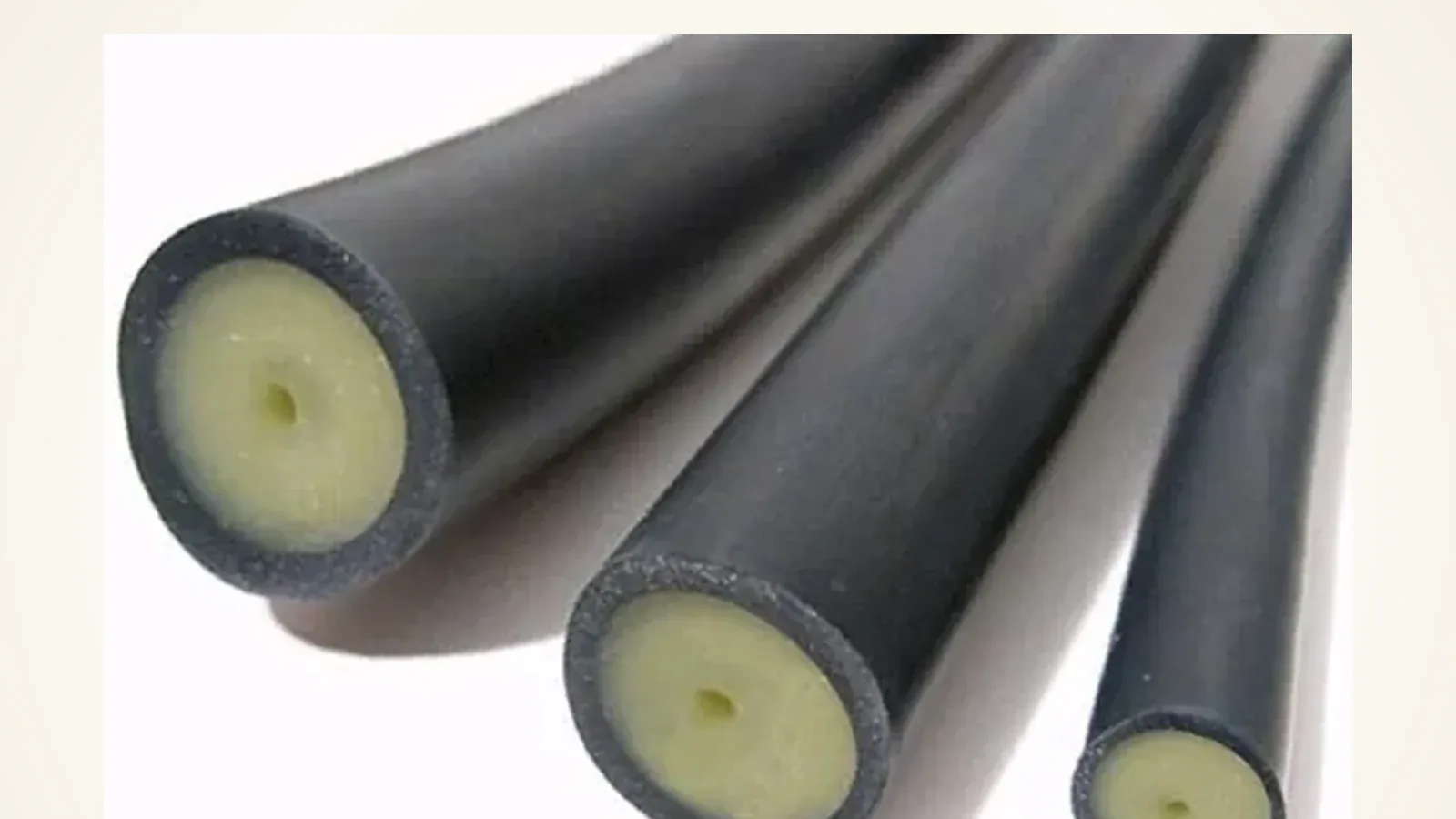
Storing Rob Allen rubbers and shafts in tropical humidity: the honest manual
Thailand’s climate is the enemy of spearfishing gear. Salt from the water, humidity from the air, sun from above, and — if you’re on Koh Samui, Phuket, or Krabi — salt-laden wind that never stops. Done wrong, storage kills a 1,000 THB rubber in 6 months. Done right, that same rubber lasts 18-24 months and performs 10% better throughout.
This is the practical storage guide. Takes 10 minutes after every session, saves thousands of baht per year.
The short version
- Every session: fresh-water rinse, dry in shade, flat storage.
- Monthly: deep rinse, talc-dust the rubbers, inspect for cracks.
- Offseason (monsoon months): sealed container, silica gel packs, horizontal storage.
- Common killers: UV sun, residual salt, hanging rubbers stretched, storing near fuel fumes.
Why tropical storage is different
In temperate climates, spearfishing gear can sit in a garage for 6 months between seasons and be fine. In Thailand, that same gear will degrade 3-5× faster because:
- UV intensity: Thai UV Index hits 11+ regularly. Latex rubbers lose elasticity at 2× the rate of temperate-stored rubbers.
- Humidity: 80-90% relative humidity keeps residual salt water on the gear. Salt recrystallises in micro-cracks and accelerates degradation.
- Temperature cycling: Thai coastal temperatures swing 15-20 °C daily. Expansion and contraction fatigues materials.
Rubbers — the big spend
A set of quality 16 mm rubbers costs 900-1,500 THB. Used hard in Thailand, a rubber lasts:
- Best case (proper storage): 18-24 months
- Average case: 10-14 months
- Worst case (stored wet, in sun, stretched): 4-6 months
The delta between best and worst is 3× cost. Storage discipline saves you 2-3 rubber replacements per year.
Rubber storage rules
- Never hang rubbers stretched. Storing a rubber tensioned for months elongates it permanently and reduces power. Always store loose.
- Store flat or gently coiled. Never bent sharply. A kinked rubber has a weak point that snaps in the first 10 loads.
- Keep out of direct sun. UV kills latex. Store in a drawer, cupboard, or dark bag.
- Fresh-water rinse, then talc-dust monthly. Baby talcum powder absorbs residual moisture and prevents UV/heat cracking.
- Inspect for white film, chalkiness, or surface cracks. All three mean the rubber is at end-of-life. Replace before the next dive.
Rubber lifespan indicators
- Green, shiny, elastic: new. Full power.
- Slight dulling of surface: 3-6 months of use. Still full power.
- Visible surface micro-cracks under bright light: 10-12 months. Power dropping ~5-10%.
- White chalky dust rubbing off: end of life. Replace immediately.
- Any single visible crack larger than a hair: replace NOW. A loaded gun with a cracked rubber can fail mid-load and damage the muzzle or injure you.
I stock replacement rubbers in single (14 mm) and double (14 mm, 16 mm) configurations at /shop/rubbers-shafts.
Shafts — stainless but not invincible
Rob Allen shafts are 17-4 PH stainless steel. They resist rust far better than standard 304 or 316, but they’re not invincible in salt water, especially if stored wet.
Shaft storage rules
- Rinse every session. Fresh water, focus on the notches and flopper pin area.
- Dry completely before storage. A wet shaft stored in a gear bag develops micro-rust spots in 48 hours.
- Store straight, never bent. A bent shaft shoots wide and can’t be re-straightened without tools. Use a shaft tube or simply lay it flat.
- Oil the flopper pin monthly. A drop of silicone oil (not WD-40, not mineral oil) keeps the pin free.
- Sharpen 10-15 strokes per side, monthly. Maintain the original tip angle. A sharp tip penetrates cleanly, a dull one just bruises fish.
When to replace a shaft
- Visible bend you can see by rolling it on a flat surface: replace.
- Flopper pin seized or missing: replace the pin (usually part of shaft assembly).
- Tip rounded/blunt after repeated sharpening: replace. You’ve sharpened it too many times and the metal is fatigued.
- Rust spots deeper than surface scratch: replace.
Average shaft lifespan in Thai conditions: 2-3 years with good care. About 3× longer than the rubber.
Line + reel
Shooting line
- UHMPE / Dyneema line is nearly indestructible chemically. It just wears mechanically.
- Replace when you see fraying at the loop-knots or wishbone contact points.
- Typical lifespan: 12-18 months of regular use.
Reel line
- Also UHMPE. Check for abrasion where it wraps around the spool lip.
- Store the reel with the line tension released.
- Replace when the outer jacket is visibly frayed or the diameter has thinned.
Gun body + muzzle
Aluminium barrel
- Rinse thoroughly. Dry. No coating needed.
- Inspect the band-anchor slots for wear — grooves deeper than 1 mm mean the muzzle insert needs replacement.
- Muzzle cracks (hairline) at the shaft-slot edges require immediate repair or replacement. Don’t shoot a gun with a cracked muzzle.
Trigger mechanism
- Monthly: strip if possible, flush with fresh water, drop of silicone oil on the sear and pivot points.
- Never use petroleum lubes — they swell rubber seals and O-rings.
- Annual: full disassembly + inspection by us in Lamai if you’re Thailand-based. Message me on WhatsApp.
Storage setup for offseason (monsoon months)
During May-October on the Andaman (or whenever you’re not hunting for a month+), proper offseason storage:
- Rinse everything one last time, dry completely in the shade for 24 hours.
- Store rubbers flat in a sealed plastic container with 2-3 silica gel packs (the kind that come in shoe boxes). Keep the container in a dark cupboard at room temperature.
- Store shafts in a shaft tube or wrapped in a bath towel, flat.
- Store the gun body unloaded, vertical or horizontal, away from heat sources (not in a car trunk, not on a sunny balcony).
- Check monthly. Open the container, inspect for any moisture or corrosion. Re-talc rubbers if they look dry.
Full interactive checklist
Our speargun maintenance checklist tool has per-dive, weekly, monthly, and annual task lists with check-boxes that save your progress and last-completion dates. Use it after every session. It saves money.
The economics
A diligent spearo in Thailand spends about 5,000 THB per year on replacement rubbers and shafts. A neglectful spearo spends 15,000-20,000 THB because they replace gear 3× as often. Ten minutes of post-session care saves 10,000-15,000 THB per year.
It’s also safer. A rubber that snaps mid-load can injure your face or hand. A bent shaft can deflect off a fish and hit your leg. Maintained gear is safer gear.
Need replacement parts? Browse rubbers and shafts — all in stock, 3-day delivery.
Published 23 April 2026 · Diego Pauel · Gear
maintenancerubbersstoragetropical
Keep reading
You might also like.
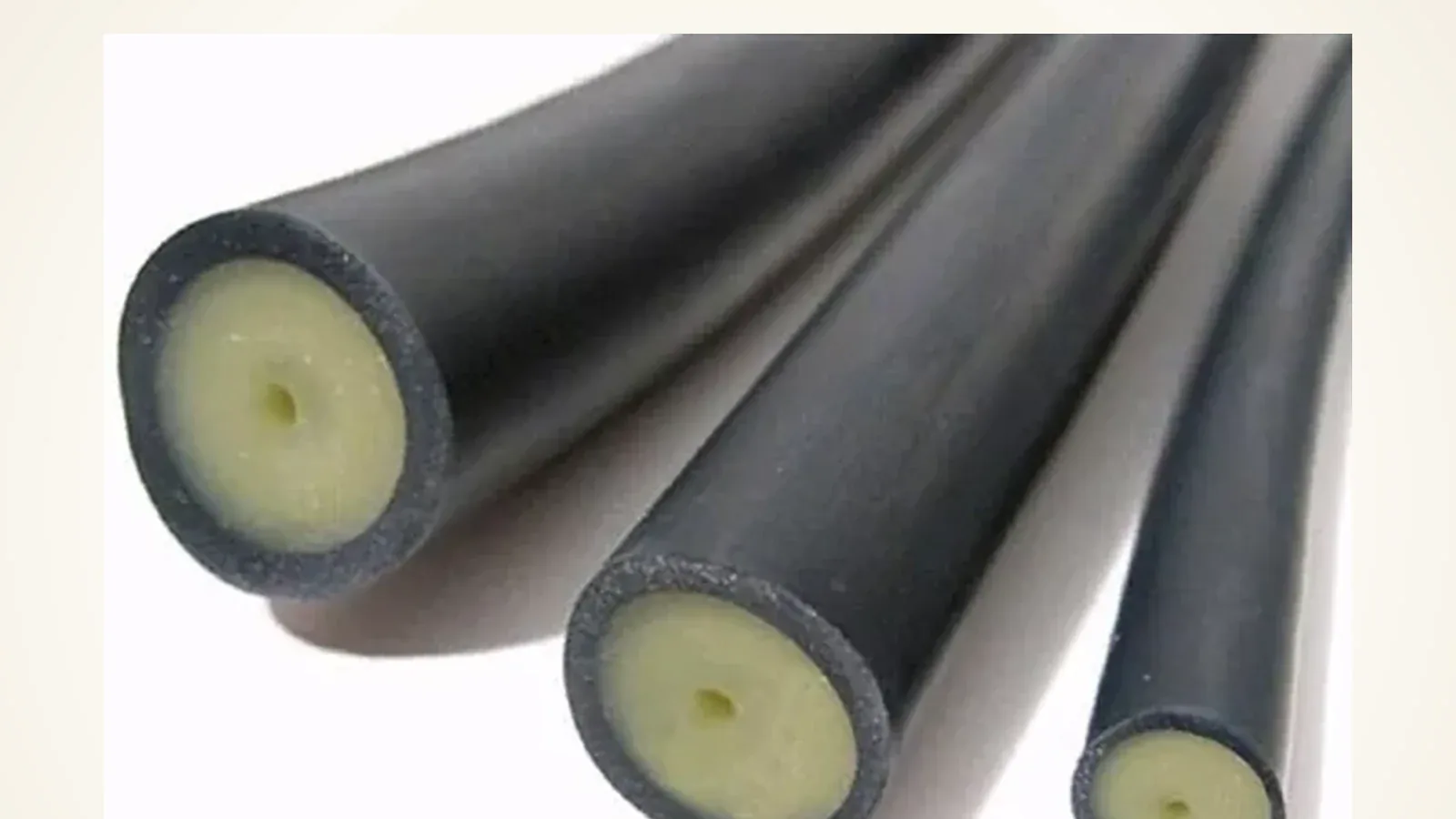
Gear Care
Your latex is losing power every week — here's the test
Rob Allen's 400% stretch decay test shows measurable rubber power loss within weeks. In Thai humidity, decay is faster. …
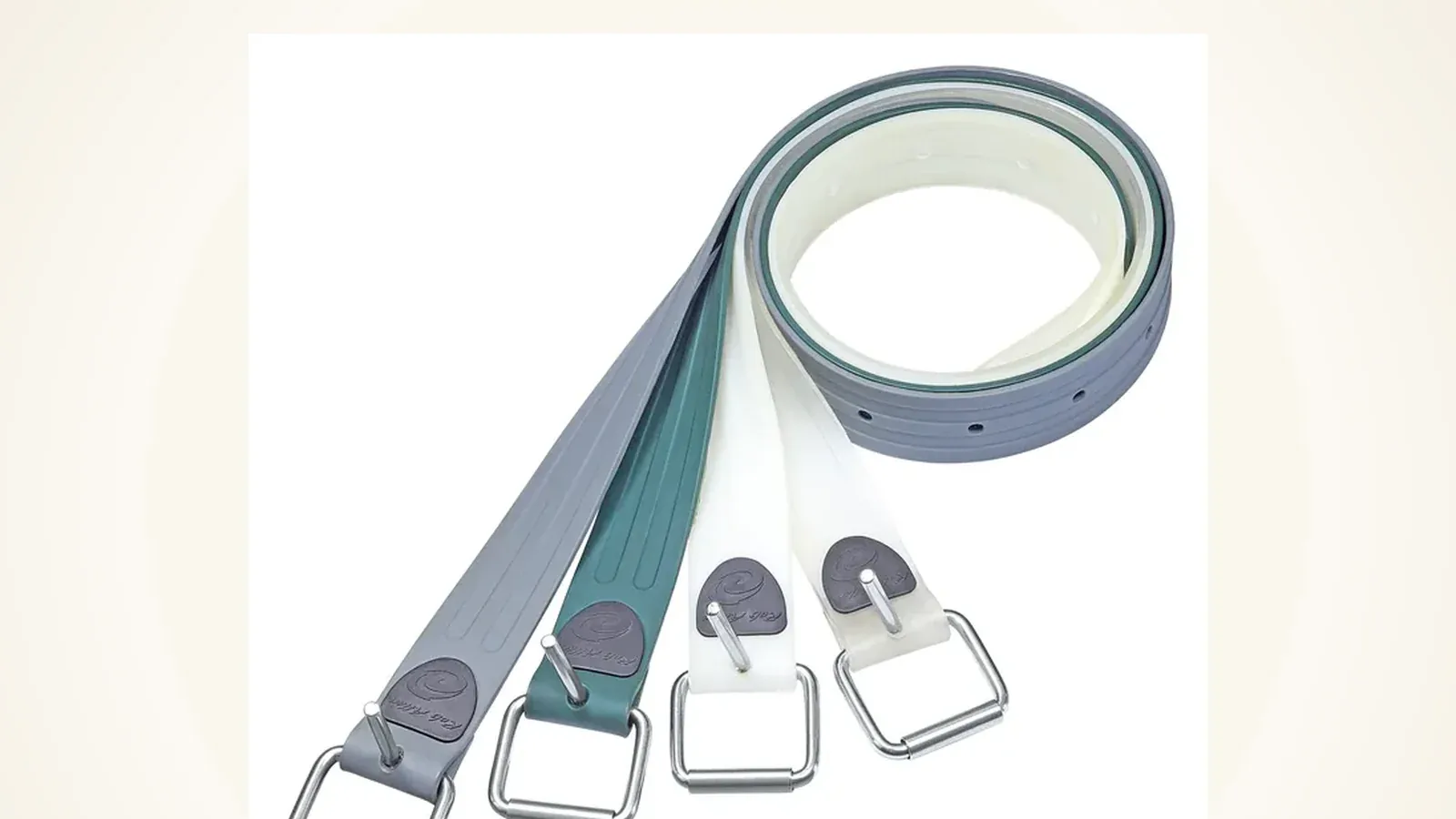
Gear
Wetsuit guide for tropical water: what actually works in Thailand
Thickness, open-cell vs lined, one-piece vs two-piece, camo vs plain. An honest wetsuit guide for spearfishing in Thai t…
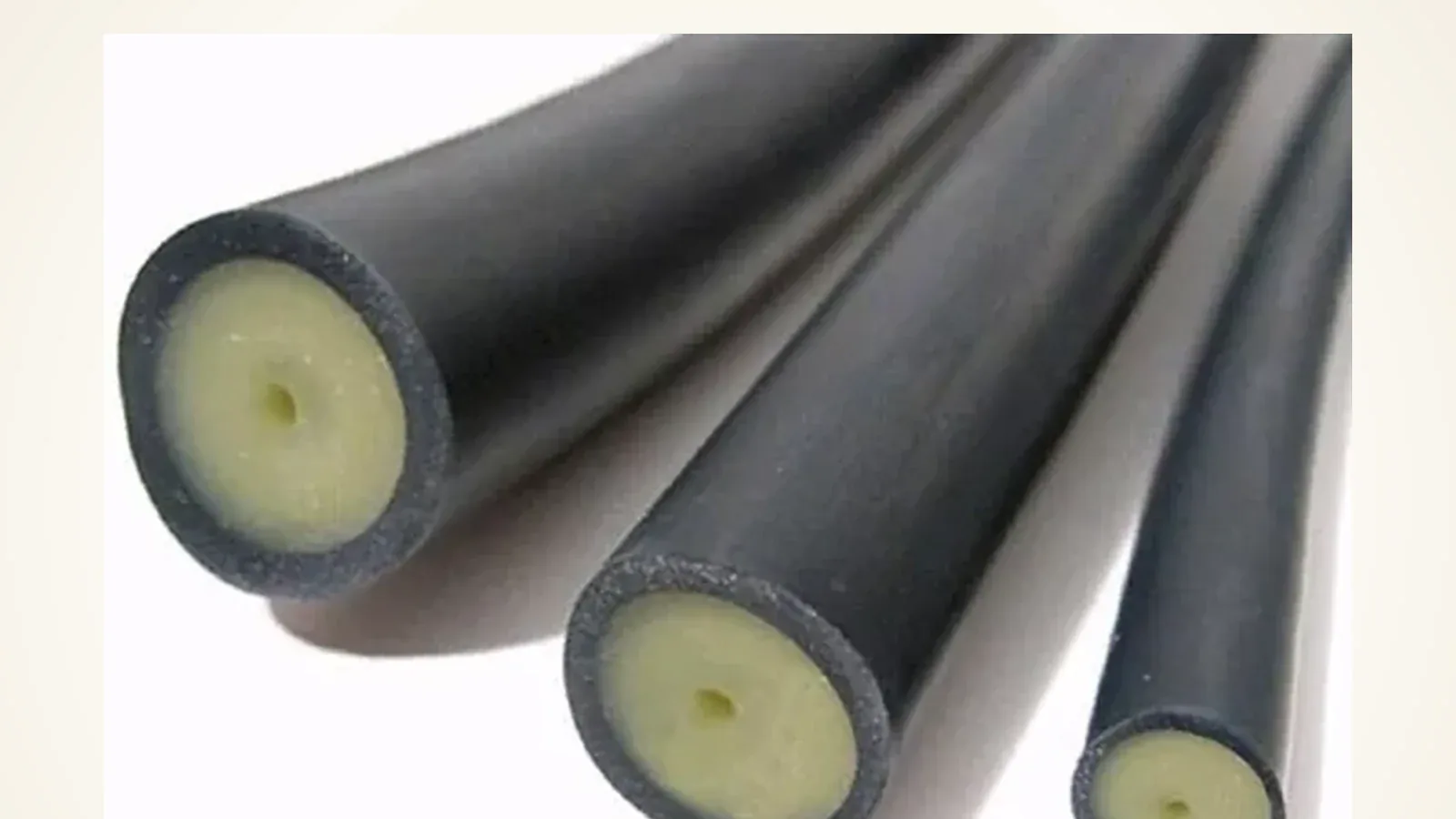
Care
How to make latex rubbers last in Thai humidity
Thai heat, salt, and humidity destroy speargun rubbers fast. Here is the care routine that doubles rubber life, plus whe…