Care · 3 April 2026
How to make latex rubbers last in Thai humidity
Thai heat, salt, and humidity destroy speargun rubbers fast. Here is the care routine that doubles rubber life, plus when to replace.
How to make latex rubbers last in Thai humidity
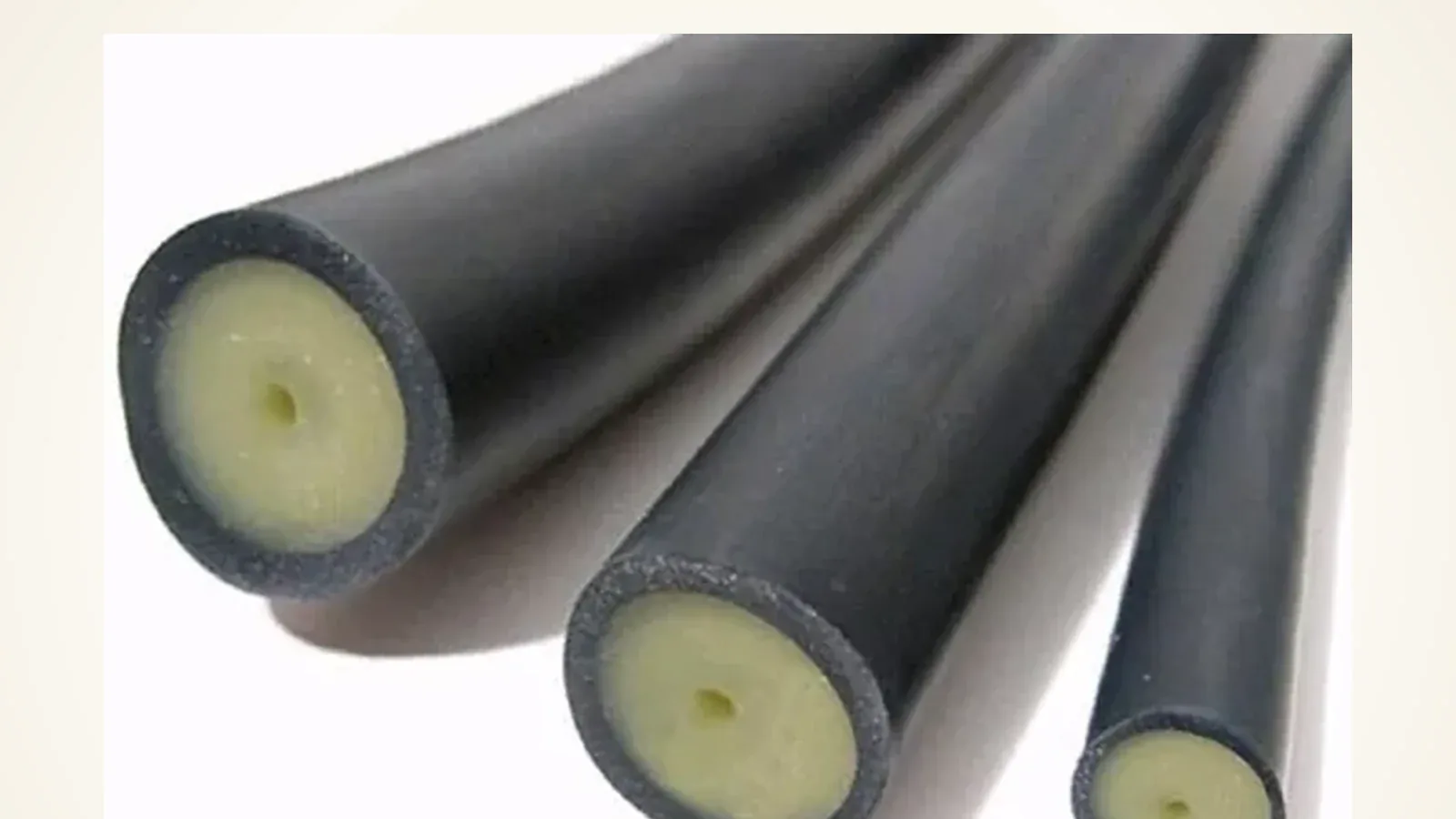
Speargun rubbers die fastest in exactly the conditions Thailand serves up every day: heat, UV, salt, and humidity. A rubber that lasts two years in a Cape Town garage lasts six months in a Phuket apartment if you do not take care of it. Here is the routine that actually doubles rubber life, based on years of shipping replacements to customers who learned the hard way.
What actually kills latex
Four things, in order of damage per unit of exposure:
- UV radiation. Sunlight breaks down latex polymers. A rubber left in the sun loses elasticity in weeks. You will see micro-cracks appear along the surface. Once cracks start, the rubber is done.
- Heat. Prolonged heat (above about 35 degrees) accelerates oxidation of the latex. Storing gear in a hot car, in direct sun, or in an un-ventilated roof space all cook rubber faster than any amount of diving.
- Salt residue. Dried salt on rubber is a slow corrosive. It is not as fast as UV but it compounds with heat and humidity. Rinse it off. Every time.
- Stretching in storage. A rubber stored under tension (loaded gun, or rubber with wishbone pulled taut) creeps. The latex locks into that stretched state and loses elastic memory. You lose power at the shaft.
Humidity on its own is not the main killer. Humidity combined with salt residue and heat is what accelerates the other three factors. That is what Thailand serves up.
The after-dive routine (five minutes, saves six months of rubber life)
Do this every single time. No exceptions.
Step one: rinse the whole gun, rubber first
Fresh water, not salt. Hose is fine. A bucket of fresh water you carry in your dive bag is better than nothing. Rinse the full length of the rubber, the wishbone, the shaft, the muzzle, the trigger mechanism, and the line. 30 to 60 seconds of fresh water rinse is the difference between rubber that lasts a year and rubber that lasts two months.
Step two: dry without direct sun
Hang the gun somewhere shaded and ventilated. A covered porch, a carport, a shaded balcony. NOT in direct sun. NOT on a hot concrete floor. The rubber wants to dry at ambient temperature, not baked.
Let the rubber dry fully before storage. A still-wet rubber going into a sealed container traps moisture and breeds mould on the surface. A fully dry rubber going into cool dark storage is stable for months.
Step three: unload and relax the rubber
If the gun is loaded (you were practising, you just unloaded a fish, whatever), unload it before storage. The rubber should never sit stretched. This matters more than people realise. A rubber left loaded for a week creeps noticeably. A rubber left loaded for months is permanently weaker.
Store the wishbone loose, sitting on the shaft or lying along the gun. Not tensioned.
Step four: a quick silicone wipe (optional but worth it)
Once a week or so, a light wipe with a silicone spray (not WD-40, not oil) on the rubber slows UV and heat damage meaningfully. It adds a micro-layer of protection. Do not soak the rubber, do not let silicone drip into the trigger mechanism. Just a light wipe and rub it in.
Storage
A speargun stored properly in Thai conditions looks like this:
- Cool (under 30 degrees ideally, which means not a roof crawlspace and not a car).
- Dark (no sunlight, ever).
- Dry (fully dried after the last dive, no residual moisture).
- Unstretched (rubber relaxed, gun unloaded).
- Horizontal or vertical is fine. Do not let the gun hang with the rubber taking weight over time.
A gear bag, stored in a closet, at room temperature with the AC on periodically, is perfect. A balcony cupboard with good shade and airflow is next best. A garage without AC is worst, because it bakes.
If you dive weekly, you are cycling rubber through use and storage fast enough that mild shortcuts are forgiven. If you dive once a month, storage discipline matters much more because the rubber sits unused for long stretches between dives.
When to replace
Signs a rubber is done:
- Visible cracks on the surface. Hairline cracks parallel to the rubber length. These get worse, never better. Replace immediately.
- Loss of snap. The rubber feels slack when stretched, takes longer to return. If the shaft is coming off the muzzle with noticeably less force than when the rubber was new, it is time.
- Discolouration. Latex goes from a healthy matte black to a greyer, chalkier appearance. That is oxidation. The rubber is on borrowed time.
- Rubber feels sticky or gummy to the touch. That is latex breakdown. Replace now.
- Age. A heavily-used rubber in Thai conditions is a 12 to 18 month item. A lightly-used, well-stored rubber can go 24 months. A neglected rubber can be done in 4.
How often Thai spearos actually replace rubbers
From the historical shipping data, the average customer who dives frequently comes back for replacement rubbers every 10 to 14 months. The ones who dive less but store well stretch that to 18 months. The ones who dive intermittently and store poorly come back in 6 to 8 months confused about why the gun feels dead.
A set of fresh rubbers is a 600 to 1,200 THB item depending on thickness and length. Changing rubbers is a 10-minute job. There is no excuse for shooting a tired rubber. You are wasting shots and frustrating yourself.
Replacement rubber, what to buy
Rob Allen latex rubber is sold by thickness, length, and colour. What matters:
- Thickness matches your gun. Snapper guns run 14mm. Tuna guns run 16mm. Scorpia and smaller entry guns can run 12.5mm. Check your gun spec before ordering.
- Length matches your gun and your loading technique. Standard rubber lengths match each gun size. Custom lengths exist for spearos who want more or less stretch.
- Colour does not matter mechanically. Black is the long-time standard and holds up as well as any tinted latex.
I keep the common-thickness rubbers in stock for the full Snapper and Tuna range at all times. If you are not sure what thickness your gun takes, send me a photo of the muzzle and the current rubber and I will tell you.
Replacement rubbers in the shop here under accessories.
Rigging a new rubber (quick version)
- Replace in full sets. Mixing new and old rubbers on a twin-band setup is false economy.
- Check the wishbone. If the wishbone is tired or frayed, replace with the rubbers.
- Check the knots on the rubber-to-wishbone connection. A fresh rubber on a tired knot is a failure waiting to happen.
- Load test the new rubber dry (on land, with shaft removed, into a safe direction) a few times before diving to make sure the setup holds.
Full rigging tutorial is a separate post. If you want me to walk through it for your specific gun, WhatsApp me a photo of the setup and I will talk you through it.
One habit that changes everything
The single biggest thing you can do is this: rinse the gun immediately after every dive, before packing it into your car or boat bag. Not when you get home. Not when you “get around to it.” Immediately.
Wet salt on a drying rubber is worse than wet salt on a wet rubber. The fresh-water rinse while the rubber is still wet from salt is what actually removes the salt. Rinsing a dry-salt rubber two days later does half the job.
Bring a 2-litre bottle of fresh water to the boat. Pour it over the gun before it goes into the bag. That 30 seconds of effort is worth months of rubber life.
The summary
Five minutes of care per dive. Cool, dark storage. Unstretched when not in use. Fresh-water rinse immediately, every time. Replace when cracks appear or snap drops, not on calendar alone.
Do that and your rubbers will last as long as rubbers are supposed to last. Skip it and you will be buying replacements three times as often, which is silly because the rubbers are in stock and easy to order, but nobody enjoys the “my gun feels weak” problem when the fix is so simple.
Questions on your specific setup or rubber thickness? WhatsApp me. +66 (0) 80 535 2528.
Replacement rubbers and accessories here.
Frequently asked
How long do speargun rubbers last in Thailand?
With proper care, 12-18 months of regular use. Without care, 4-6 months. Thai UV, salt, and heat (especially in a dive bag left in the sun) kill latex faster than temperate climates. The single biggest factor is whether the gun is stored loaded or unloaded.
Should I store my speargun loaded or unloaded?
Always unloaded. Storing a gun loaded stretches the rubber constantly and accelerates power decay. Unload it the moment you are out of the water. Rubber returns to slack state within minutes and preserves its power memory.
How should I clean speargun rubbers after diving?
Rinse with fresh water after every dive. Wipe dry with a cotton towel. No soap, no silicone spray, no detergent. If salt crystallises into the rubber, it accelerates dry rot. Store out of direct sunlight in a ventilated spot, not a sealed bag.
When do I need to replace my speargun rubbers?
Replace when you see: surface cracks at the stretch points, white chalky residue that doesn't wipe off, or a noticeable loss in shot power on the same setup. If you have to ask, it is probably time. A fresh rubber costs THB 450-650 and adds noticeable range.
Do Rob Allen rubbers come under warranty?
No. Rubbers (like shafts and shooting line) are consumables, industry-wide. The Limited Lifetime Warranty on a registered Rob Allen gun covers the gun body (barrel, handle, mechanism, muzzle) only. Rubbers are replaced as they wear out.
Is silicone spray good for speargun rubbers?
No. Silicone spray was a 1990s myth. It traps dirt and salt against the rubber surface and accelerates cracking. Plain freshwater rinse and dry is the right protocol. Rob Allen's own care guidelines say the same.
Published 3 April 2026 · Diego Pauel · Care
gear carelatex rubberspeargun maintenancetropical
Keep reading
You might also like.
Gear
Storing Rob Allen rubbers and shafts in tropical humidity: the honest manual
Proper storage for Rob Allen speargun rubbers, shafts, line, and reels in Thai tropical humidity. How to make a 12-month…
Gear
Wetsuit guide for tropical water: what actually works in Thailand
Thickness, open-cell vs lined, one-piece vs two-piece, camo vs plain. An honest wetsuit guide for spearfishing in Thai t…