Gear Care · 23 March 2026
Your latex is losing power every week — here's the test
Rob Allen's 400% stretch decay test shows measurable rubber power loss within weeks. In Thai humidity, decay is faster. Swap schedule + storage protocol.
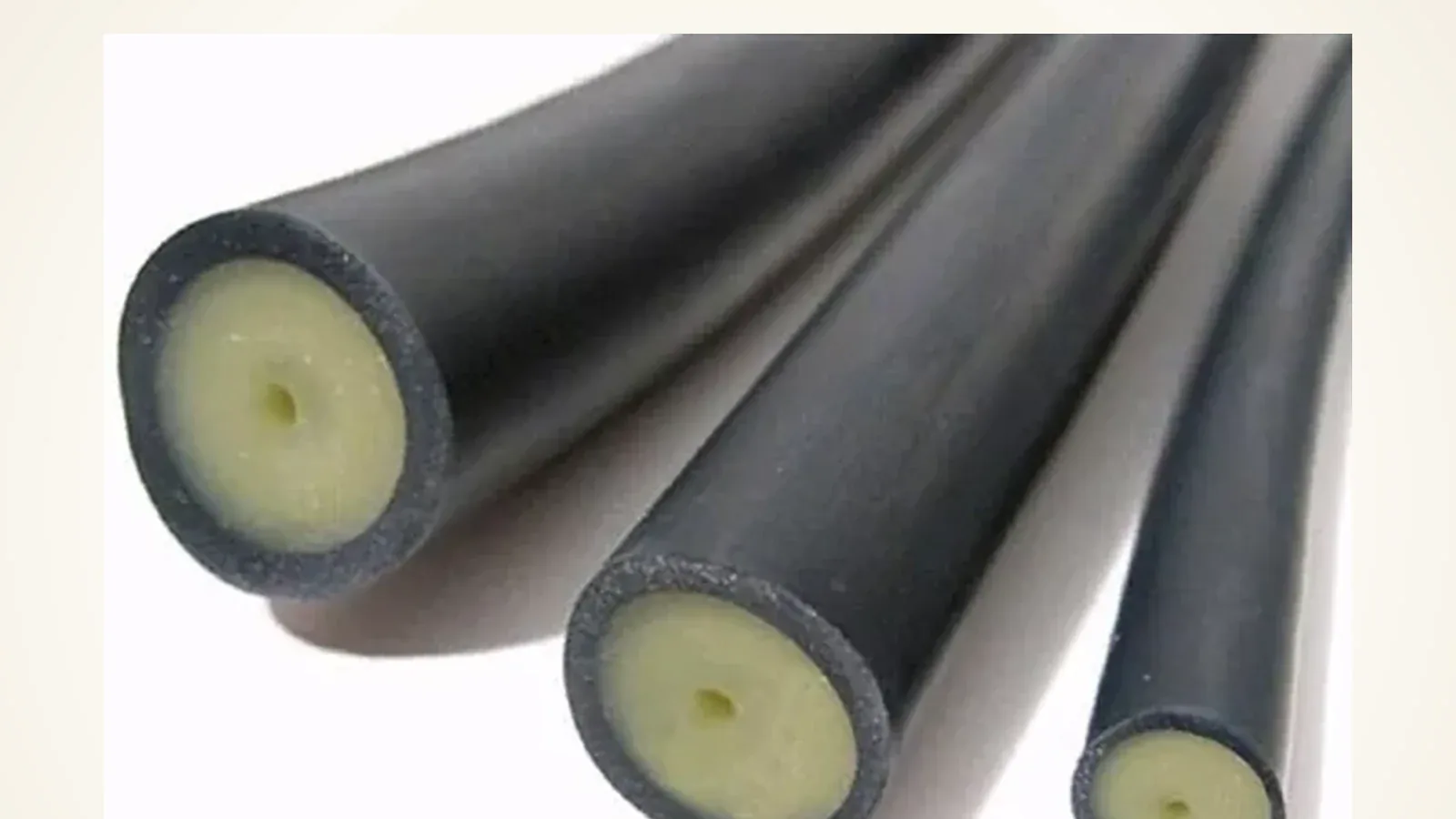
Your latex is losing power every week — here’s the test
You buy a new set of rubbers. They feel crisp, load cleanly, snap the spear like it should be snapped. Three months later something is off. Spear feels slow at range, big fish need a follow-up, penetration is down. You are not imagining it. Rob Allen has the test data.
Rob’s decay test
Rob stretches bands to 400% of resting length — that is the real-world stretch you apply loading a 16 mm rubber on a Rob Allen gun. Then he measures the energy the rubber delivers over time, running the same bands weekly on a load cell.
Results published on the channel: every latex loses power over time, but the rate differs drastically between suppliers and between manufacturing methods. His Pacific-sourced dipped latex is the best he has tested. Cheap extruded rubber decays noticeably faster. He re-tests the supplier regularly and would switch if something better appeared.
Cold water makes it worse — the colder the water, the slower the rubber performs because the elastic impulse drops with temperature.
Heat and humidity also accelerate decay. Which is where Thailand comes in.
Why Thai conditions are hard on latex
Two factors:
Humidity: Tropical air carries 75-90% relative humidity most of the year. Latex rubber absorbs moisture at the polymer level, which changes the way it stretches and releases.
Heat: A gun left in a hot boat bag between trips sees 40-50°C internal temperatures. Latex molecular bonds age faster at higher temperatures. A rubber that would last 12 months in a Cape Town garage lasts 6-8 months in Thai storage.
This is not guesswork. Anyone who has dived Thailand for a few years knows the symptoms — a rubber that felt crisp in April feels dead by September. That is not in your head. It is the rubber.
The swap schedule for Thailand
Based on Rob’s decay curves and my own field observations stocking Rob Allen in Thailand for years:
- 4 months if the gun lives in a boat bag on a hot boat between trips
- 6 months if the gun lives in a shaded outdoor storage (garage, covered patio)
- 8 months if the gun lives in air conditioning between trips
- 12 months is the maximum even with perfect storage — swap anyway
Compare to temperate-climate guides that suggest 12-18 months. Those guides are not wrong for their climate. They are wrong for Thailand.
How to test yours right now
Rob’s instinctive test you can do at home: take the rubber off the gun. Hold one end. Stretch to what feels like full normal loading stretch (roughly 3x its unstretched length). Release it suddenly.
- New rubber: snaps back crisply and completely within a second. Makes a clean “thwack”.
- 6-month rubber in Thai conditions: returns noticeably slower. Slight lag at the end. Quieter snap.
- Year-old rubber: visibly slow return, soft recoil. Replace immediately.
Not a lab measurement, but it tells you which of your gear bag’s rubbers are due.
The storage protocol that extends life
Three rules, ranked by how much they matter:
-
Store the gun with the rubbers off. A rubber under constant tension on the loaded gun degrades faster than a rubber stored unloaded. Between trips, take the rubbers off and hang them. Takes 20 seconds.
-
Air-conditioned storage. If your gun room has AC, use it. If you have to choose between AC storage for the gun or AC storage for other gear, the gun wins. Fresh rubber is expensive.
-
No sun exposure. UV breaks down latex. A rubber that lives in a mesh bag by a sunny window dies fast. Wrap the gun or store it in a closet.
Full protocol in storing rubbers and shafts in tropical humidity.
The quality question
All latex is not equal. Rob Allen’s layered-dipped latex — explained in the same video — is made by dipping a form into liquid latex, drying it, dipping again, drying again, building up the tube in layers. This gives the best elasticity with the least contaminating chemicals in the rubber.
Cheaper rubbers are extruded (pushed out of a die in one pass) or single-press moulded. Faster to produce, cheaper to sell, significantly worse performance and shorter life. If you are buying latex off Lazada or Shopee without a clear brand and manufacturing method, you are buying extruded or single-press.
This is why I only stock Rob Allen rubbers. The other brands I have tried over the years either do not publish their method (usually because it is extruded) or have visibly shorter life in Thai conditions.
What to keep in your bag
The spare rubber rule: always have one fresh set of rubbers in your gear bag. When your main set crosses the halfway point of its expected life, you are already thinking about swapping.
For Thai conditions, that means: if you dive a lot and your gun needs fresh rubber every 4-8 months, keep one set of spares. If you dive occasionally and your rubber lives 10-12 months, you can run closer to empty. But never zero.
The shortcut
If you want to stop thinking about this, the rubber and shaft calculator matches your gun to the right rubber diameter and length. Reorder once a season and the problem goes away.
If you are unsure whether your current rubber is still good, send me a short video on WhatsApp — stretch it and release it in front of the camera. I can usually tell in five seconds whether it is crisp or done.
Published 23 March 2026 · Diego Pauel · Gear Care
latexrubberhumiditythailandstoragemaintenance
Keep reading
You might also like.
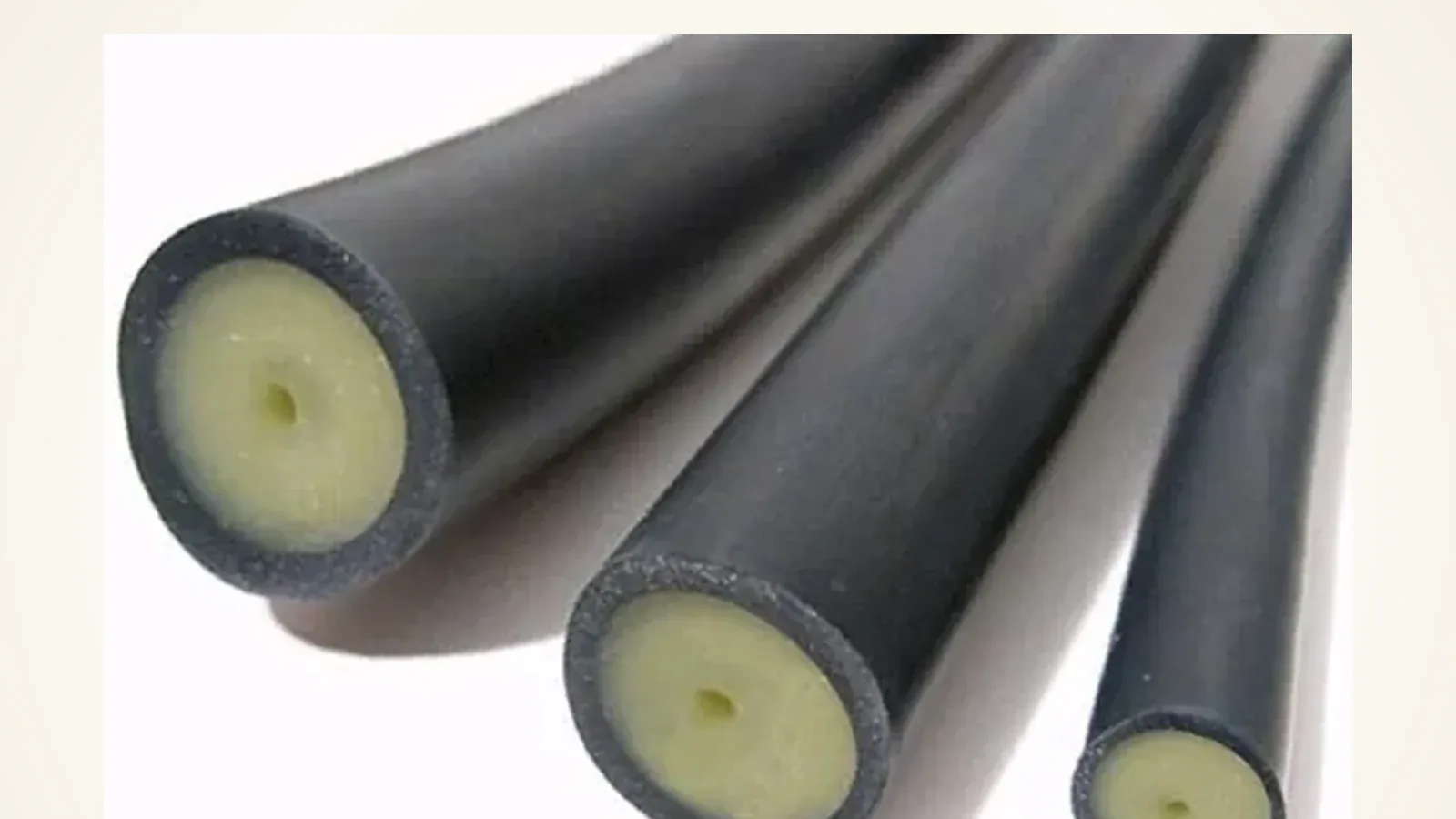
Gear
Storing Rob Allen rubbers and shafts in tropical humidity: the honest manual
Proper storage for Rob Allen speargun rubbers, shafts, line, and reels in Thai tropical humidity. How to make a 12-month…
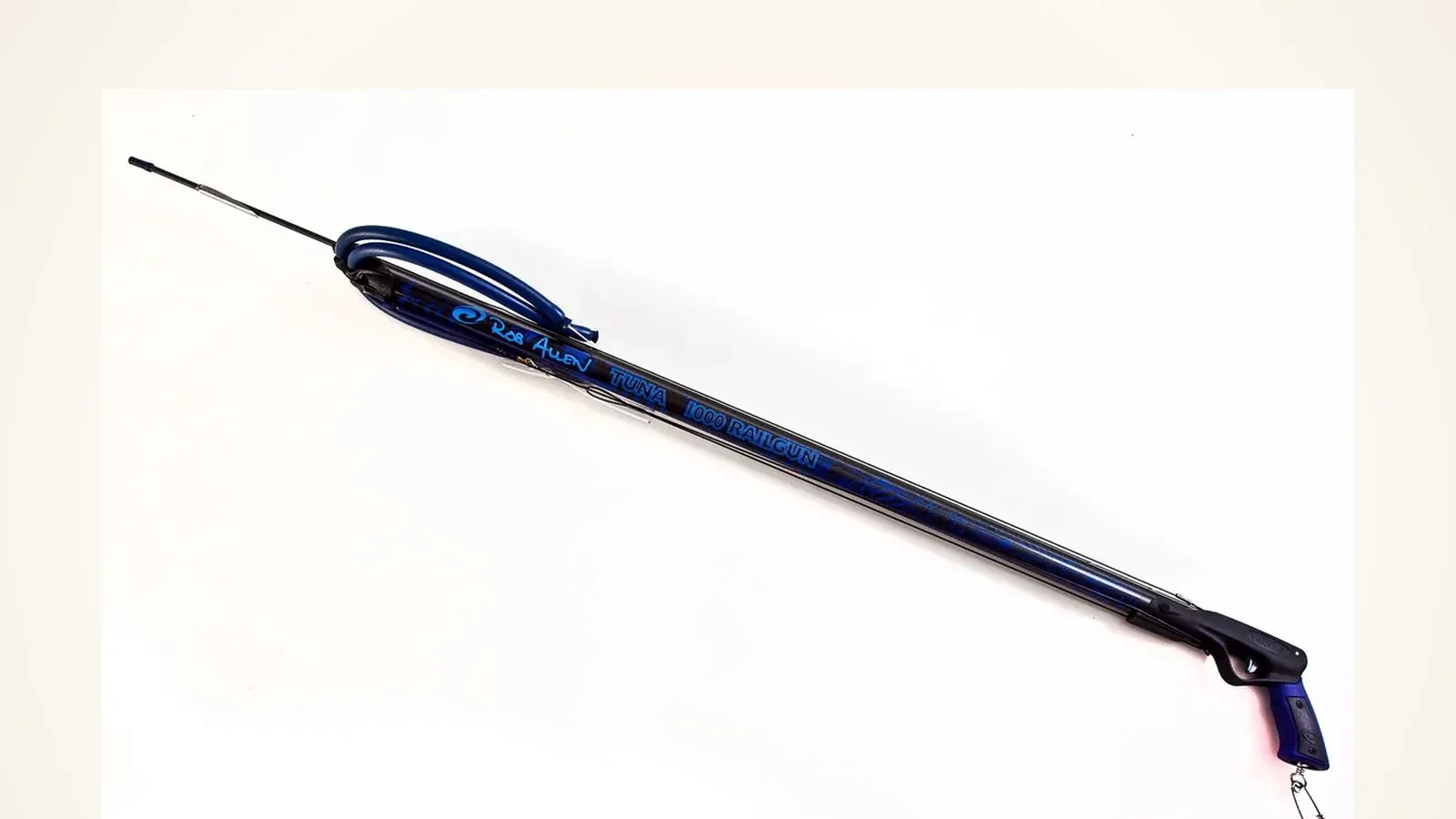
Gear
Triple-band or double-band? Rob Allen's Transkei test, Thai translation
Rob Allen's 2024-25 triple band development. When the extra rubber is worth the loading effort for Thai bluewater target…

Legality
Is spearfishing legal in Thailand? The actual rules.
Spearfishing is legal in Thailand outside marine parks. Here are the real rules, protected zones, species guidance, and …