Gear · 22 April 2026
Wetsuit guide for tropical water: what actually works in Thailand
Thickness, open-cell vs lined, one-piece vs two-piece, camo vs plain. An honest wetsuit guide for spearfishing in Thai tropical water from the official Rob Allen distributor.
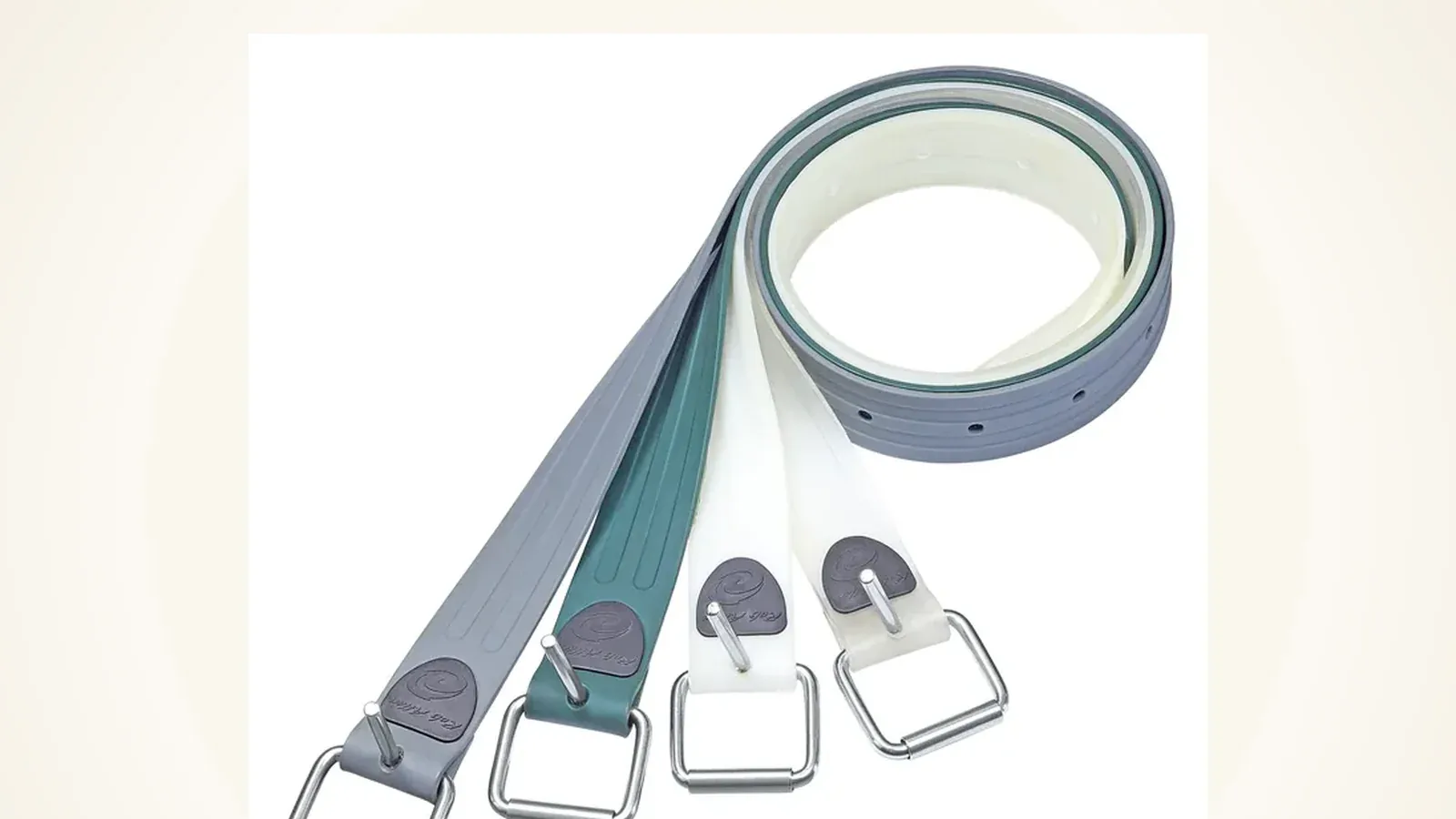
Wetsuit guide for tropical water: what actually works in Thailand
Most wetsuit advice online comes from cold-water spearos. It is useless here. Thai surface water sits between 28-31 °C year-round. Wearing a 5 mm suit from that advice will cook you in 20 minutes, drain your hydration, and kill your breath-hold tolerance. Wearing a 1 mm springsuit designed for surfers will leave you shivering at 15 m depth on a current-exposed reef.
This is the practical wetsuit guide for Thai spearfishing, written by the official Rob Allen distributor in the Kingdom. Everything I recommend here is what I personally wear and what I stock for customers.
The short version
- Thickness: 1.5 mm for 90% of Thai spearfishing. 3 mm only for long bluewater trips or deep diving past 25 m.
- Construction: open-cell inside, smooth-skin or camo outside. Never a surf-style lined suit for spearfishing.
- Format: two-piece with high-waist bottoms + integrated hood top. Never a one-piece for freediving.
- Camo vs plain: camo for reef hunting, plain navy for bluewater, neon for training dives where visibility to your buddy matters.
- Fit: tight enough that you need soapy water to put it on. Loose suits flush with every kick and defeat the purpose.
Why open-cell
Spearfishing wetsuits are built from open-cell neoprene. The inside has an unlaminated, pitted surface that seals against your skin. This does three things that a lined surf suit cannot:
- Zero flushing. Water does not move between suit and skin. You stay warm at a fraction of the thickness.
- Better breath-hold tolerance. Warm core = less oxygen consumption = longer dives. Cold-stressed divers burn through O2 twice as fast.
- Quiet hunting. No flush noise or rustle. Fish that spook at 8 m in a surf suit will let an open-cell spearo close to 3 m.
The cost is fragility. Open-cell neoprene tears if you yank it on, and the inside needs constant soap or hair conditioner as a lubricant. Accept that. It is still the right choice.
Thickness by dive profile
1.5 mm — the default
If you are hunting in Thailand, a 1.5 mm open-cell is probably the right suit. Reef work, 0-15 m dive depth, 30-90 minute sessions, surface temperatures 28-31 °C. The suit is thin enough to keep you comfortable without overheating, but thick enough to stay warm on a deep dive or if the session stretches to two hours.
Buy this if: You hunt reef fish in the Gulf or Andaman inshore waters. You plan on sessions under 2 hours. You are not diving past 20 m consistently.
3 mm — specialist use
A 3 mm open-cell is right for longer trips (full-day charters), deeper diving (consistently below 25 m), or colder months on the upper Gulf where December mornings can hit 26 °C water. It is overkill for a weekend trip around Koh Samui.
Buy this if: You run long-duration bluewater charters. You consistently dive past 25 m. You are a thin or cold-sensitive diver who shivers in standard 1.5 mm.
5 mm and thicker — not for here
Leave thicker suits for cold-water destinations. I do not stock 5 mm or thicker for Thailand because they are a mistake in this water.
Camo vs plain
Fish colour vision is more primitive than ours but they are highly motion-sensitive. The point of camo is not to be invisible — it is to disrupt the outline of a human-shaped shadow so fish do not immediately identify you as the apex predator you are.
- Reef camo (brown/green/black mottled): the right choice for reef hunting in the Gulf and Andaman. Works on live coral backgrounds, rubble bottoms, and rock gardens.
- Blue/navy plain: best for bluewater diving where the background is open water. Camo patterns in bluewater actually stand out more than a solid blue that blends with the water column.
- Neon (yellow, orange): for training, courses, and any dive where a buddy or boat needs to find you fast. Never for hunting.
Pick based on your main use case. Most of my Thailand customers run reef camo + plain blue hood for a balanced option.
One-piece vs two-piece
Two-piece wins for freediving. A one-piece (one zippered suit) gives you a rigid torso that pinches when you pike to dive. A two-piece (separate high-waist bottoms + hooded long-sleeve top) lets the waist flex freely and adds a double layer of insulation at your core.
Two-piece also lets you remove just the top on the surface without a full strip-down, which matters on long sessions when you are hydrating and snacking between drops.
Fit — the real test
Try to size down one notch from what you think. Open-cell stretches a lot. A correctly sized suit should:
- Require soapy water (or dedicated suit-lube) to put on
- Feel tight at the shoulders and neck — loose shoulders mean the suit will fill with water on dives
- Not pinch the throat or restrict breathing in or out
- Not have any air gaps at the lower back or behind the knees
If you can slip it on dry, it is too big.
Caring for open-cell
Open-cell neoprene ages fast if neglected. Rinse every session, never wash with detergent, never put in a dryer, never hang in direct sun. Store flat or rolled — never on a narrow hanger that creates stress points. Expect 2-3 seasons of hard use from a quality 1.5 mm before it thins out.
For the inside surface: use hair conditioner or dedicated suit-lube every 5-10 sessions to rehydrate the neoprene. Skip household dish soap — it strips the material.
More on keeping tropical gear in shape: our speargun maintenance checklist covers rubber, shaft, and mechanism care alongside your suit.
What I stock
Rob Allen makes the suits I sell. I stock the 1.5 mm open-cell two-piece in reef camo and the 3 mm two-piece in plain blue for bluewater work. All sizes from XS to 2XL. Full range at Wetsuits & apparel.
If you want the whole kit — suit plus gun plus fins plus belt plus float — the Reef Starter Kit bundles everything at a 12% discount.
Common mistakes
- Buying a 3 mm “to be warm enough” when 1.5 mm would do. You will overheat and leave sessions early.
- Buying a surf-style lined suit. The lining kills all the advantages of open-cell.
- Skipping the hood. Integrated hoods seal the neck and prevent the biggest flush channel on your body.
- Getting a one-piece. Harder to use, worse for breath-hold, and you cannot half-strip on the surface.
- Not using lubricant. The suit tears at the seams within five dives if you yank it on dry.
One last thing
A wetsuit is the single most comfort-critical piece of spearfishing gear. Gun choice matters for hunting results. Suit choice matters for whether you actually enjoy the water enough to come back. Buy the right 1.5 mm, and you will stop noticing it — which is exactly what a good wetsuit does.
Got questions about fit or thickness for your specific use case? WhatsApp me with your height, weight, and typical dive profile, and I will tell you exactly what to order.
Frequently asked
What wetsuit thickness do I need for spearfishing in Thailand?
1.5 mm for most Thai conditions (Koh Samui, Koh Tao, Phuket reef-line work, year-round daytime). 3 mm if you feel the cold, dive past 20 m into thermoclines, or are doing 3+ hour sessions in the Similans. 5 mm is overkill anywhere in Thailand.
Open cell or lined wetsuit for Thailand?
Open cell. It seals to your skin, warms faster, and doesn't chafe. The trade-off is you must soap-lube it to get in, and it is fragile (torn by fingernails if you aren't careful). Every serious Thai spearo dives open cell.
One-piece or two-piece wetsuit?
Two-piece (farmer-john bottom + hooded top). It is warmer at the same thickness thanks to the double layer at the torso, lets you unhood between dives for cooling, and is easier to pee in. One-piece is only advantageous for long shallow sessions where you never surface.
Camo pattern or plain colour?
Camo. Thai reef species (grouper, snapper, GT) are visually cautious. A good reef-brown or kelp-camo lets you close 30-50% more ground before the fish spooks. The downside is cost (camo suits are USD 50-100 more). Worth it on any gun you take seriously.
Do I need a wetsuit for quick dives in Koh Samui?
Technically no, the water is 28-30°C. Practically yes: a 1.5 mm suit protects against jellyfish stings, sun on your back during surface interval, and scrapes on reef structure. Most Thai spearos wear a suit even in July at 30°C.
How do I put on an open-cell wetsuit?
Mix 2 tablespoons of baby shampoo or dive-lube conditioner with 500 ml of water in a spray bottle. Spray the inside of the suit (not your skin) until it foams. Slide into the suit slowly. Rinse the shampoo out after the dive. Never use engine soap or dish soap — it degrades neoprene.
Published 22 April 2026 · Diego Pauel · Gear
wetsuitopen celltropicalgear guide
Keep reading
You might also like.
Gear
Storing Rob Allen rubbers and shafts in tropical humidity: the honest manual
Proper storage for Rob Allen speargun rubbers, shafts, line, and reels in Thai tropical humidity. How to make a 12-month…
Gear
Snapper vs Tuna rail: which Rob Allen speargun for Thai reefs?
Snapper vs Tuna rail compared for Thai conditions. Honest picks by use case, real THB pricing, and when each gun is actu…
Gear
Rob Allen carbon rollers: when they're actually worth the money
Carbon roller spearguns cost 2 to 3 times a standard railgun. Here is the honest take on when they matter for Thai divin…