Technique · 7 February 2026
Why your speargun is shooting low in Thailand (it's not the fish)
Six reasons a Rob Allen or any speargun suddenly stops hitting where you are aiming, pulled from Rob Allen's own 2025 accuracy series and field-tested on Thai reefs.
Why your speargun is shooting low in Thailand (it’s not the fish)
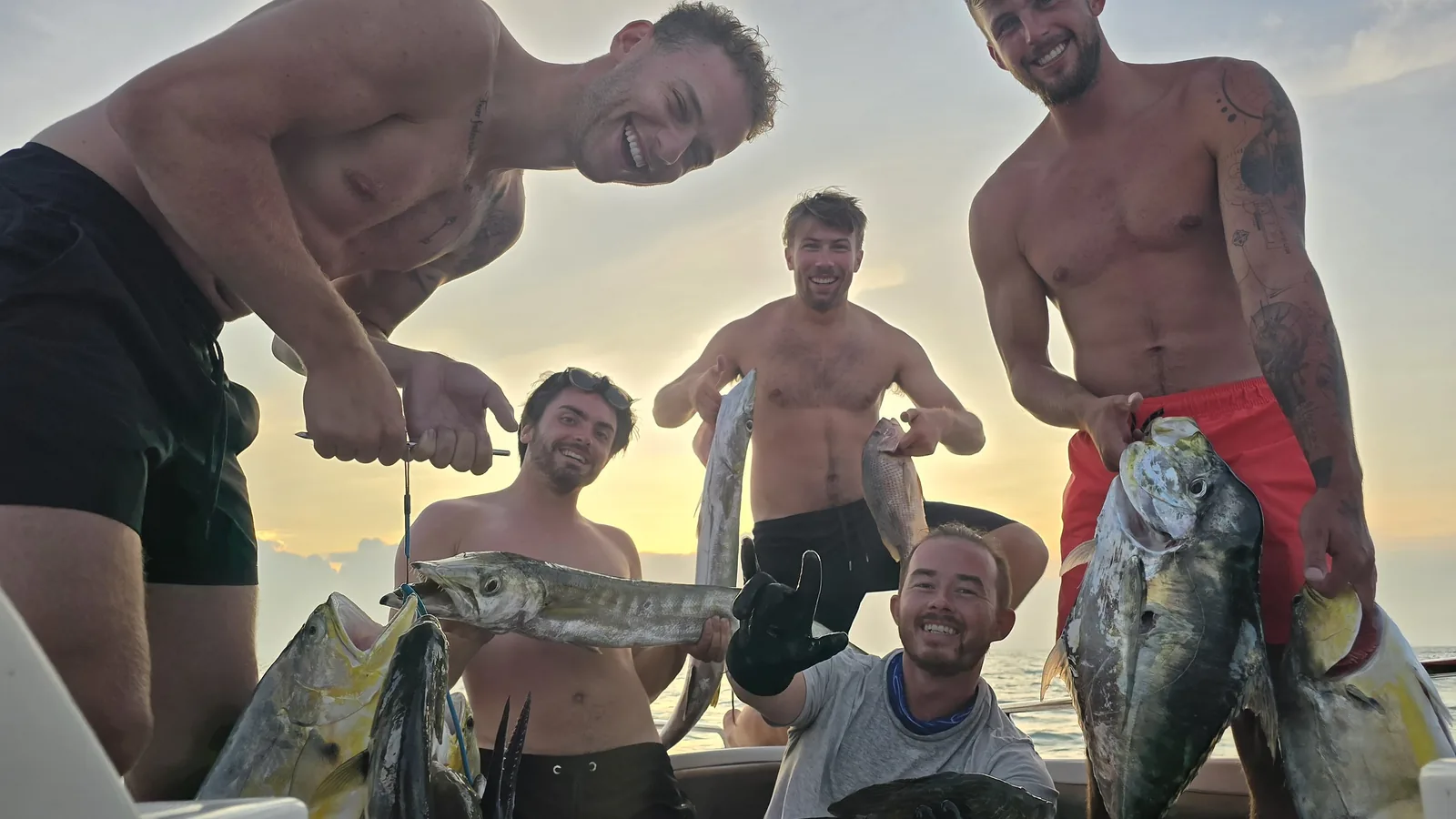
You had the fish in the scope. Clean shot. You know you pulled the trigger right. The spear went low. Again. This is one of the most common messages I get on WhatsApp: “Diego, my gun is off, can you check it?”
Nine times out of ten, the gun is fine. One of six things is off, and you can diagnose it in ten minutes without getting in the water. This is the Thai-spearo translation of Rob Allen’s 2025 six-part Why is my speargun INACCURATE series — his words, my field notes on why these go wrong specifically in Thailand.
If you want a step-by-step walkthrough with your own symptoms, I built an accuracy diagnostic tool that asks the questions for you and gives you the likely cause plus the fix.
1. Your spear is bent (and you cannot see it)
Rob’s first rule: the spear might be bent so subtly you cannot tell by eye. A 1 mm deviation disappears when you look at the shaft. At 4 metres range it is 50 mm off target. At 6 metres it is more.
Thai context: reef shots gone wrong are the most common cause of a bent shaft here. You miss a grouper hole-holding in a hard coral crevice, the spear hits rock, bends barely enough to notice. You reload and shoot the next fish low. The shaft still looks straight in your hand.
The test: put the spear on a flat hard surface — a boat deck, a glass table, a polished floor. Roll it slowly. If it wobbles at any point in the rotation, it is bent. Replace it.
Do not try to straighten a bent shaft. You weaken the steel where it was bent and it will fail unpredictably. Rob Allen plated spring-steel shafts are engineered to spring back on most impacts, which is why I stock them over stainless — but permanent bends still happen on hard rock hits. Just swap it.
2. The tip is damaged from hitting reef
Same chain of events — missed shot, hit rock or coral, and now the very tip of the spear has folded over or rolled sideways. Even a tiny deformation at the tip changes the hydrodynamics of the spear through the water and deflects the shot.
Rob’s rule: carry a small flat file in your boat bag. Every time you miss and hit structure, check the tip within 30 seconds. File any folded-over metal back to a clean point. If the tip is properly rolled or mushroomed, swap spears.
Practical reality on a Thai liveaboard: you do not have time to roll-test your shaft between dives. You do have time for a five-second tip check and a ten-second file touch-up. Build it into your between-dive routine.
3. Scale or slime under the barb
After a fish, scales come off. Bone fragments, mucus, and bits of flesh end up around the barb. A wedged scale holds the barb slightly open. On release, that open barb deflects the spear.
This is a Thai-specific problem more than anywhere else because our target reef species — parrotfish, sweetlip, red snapper, big grouper — have heavy scales that jam. If you are swapping shots between multiple fish in a single dive or coming up between shots to reload, rinse the barb with fresh water or visually check it before the next load.
When the barb no longer returns crisply against the shaft, the spring is shot. Replace the spear.
4. You added a band, and now the barrel is flexing
The most common self-inflicted cause. You wanted more power — maybe for bluewater, maybe you just saw a friend double-banded — so you added a second or third band, or went up to a thicker rubber. Now the gun is flexing the barrel on release. Spear goes low.
Rob demonstrates this on a load-cell test rig in Barrel Deflection Part 1: an over-powered aluminium tube flexes visibly under the rubber’s pull.
The fix: drop back to the band spec the barrel is designed for. Every Rob Allen barrel has a recommended rubber diameter and count on the spec sheet. If you want more power for bigger fish, upgrade the barrel (carbon or Timberline flex less), or switch to a roller muzzle. Rollers pull the spear forward on both sides of the muzzle, so the barrel stays straight even under heavier bands — which is exactly why rollers exist.
If you want help with matching bands to barrel, the rubber and shaft calculator handles this.
5. Your bands are tired
Latex rubber loses power over time. Rob’s empirical test shows measurable band-power decay within 8-12 weeks of regular use. In tropical humidity, the decay is faster — a gun that lives in a hot boat bag between trips loses rubber energy quicker than one stored in an air-conditioned room.
The symptom: the spear feels slow. Close range shots are fine. Longer shots drop visibly. Fish that used to be stone-kill shots now need a follow-up.
Rob Allen’s layered-dipped latex holds up better than single-press rubbers from unknown brands, but even the best rubber is a consumable. If your bands have seen more than four months of Thai sun and humidity, replace them before you blame the gun.
See how to store rubbers in tropical humidity for extending their life between trips.
6. Your technique slipped
This is the honest one. Rob’s pool study found a 30% penetration loss from bent-arm, loose-grip shots compared to stiff-arm, firm-grip shots — and significantly more lateral spray on impact.
You know you are supposed to lock the arm and grip firm. You know it. But on the eighth dive of the trip, tired, cold-water, watching a fish you really want, the elbow bends a little, the grip relaxes a little, and the spear goes wide.
The drill: pool or shore-water practice at a fixed target 3-4 metres away before every dive trip. Twenty shots. Same stance every time. Same grip pressure. Same sight picture. Build the instinct back. It takes ninety minutes once a month.
The diagnostic shortcut
I built the speargun accuracy diagnostic tool specifically for this. Plug in your symptoms — the tool asks you about five questions, narrows it down to one of twelve causes, and gives you the fix plus the Rob Allen video that explains it. No guessing, no WhatsApp back-and-forth for simple problems.
If the tool says the cause is a bent spear, damaged tip, wedged barb, or tired bands, I stock the replacement parts and ship nationwide in 2-3 business days. If the cause is technique or component mismatch, that is a different conversation — message me and we’ll sort it.
Bottom line
Bad accuracy is almost never the gun itself. Rob Allen spearguns that have been round-tested on a coral reef after a year of use still shoot to spec. It is the consumables that wear — shafts, tips, barbs, rubbers — plus the operator’s arm position. Check those six things in order. Fix what you find. Get back on the fish.
Published 7 February 2026 · Diego Pauel · Technique
accuracyspeargun tuningrob allentroubleshooting
Keep reading
You might also like.
Technique
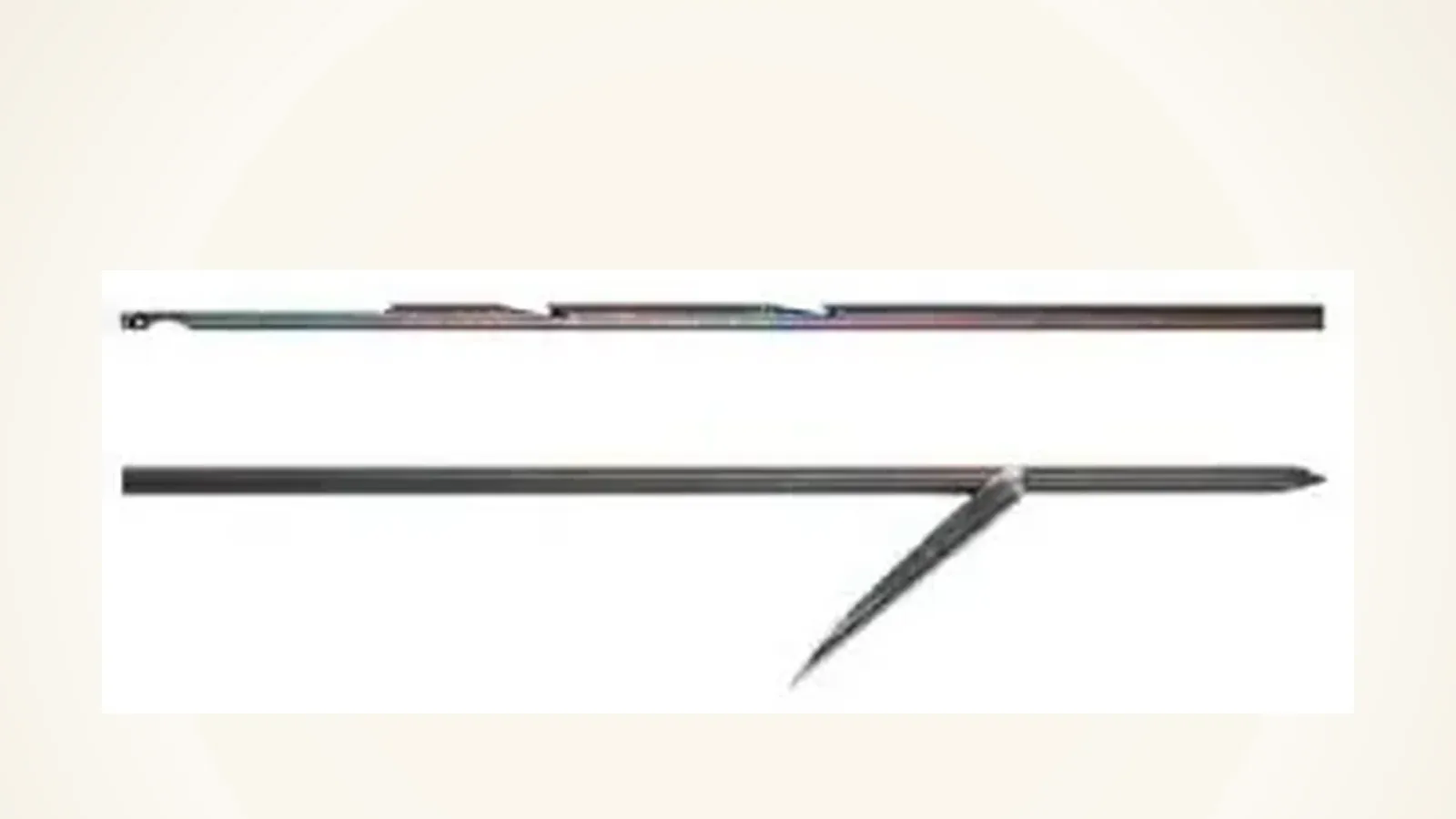
Pencil point sharpening — Rob Allen's method for Thai reef species
Every missed reef shot rolls your spear tip. Rob Allen's 2024 pencil-point sharpening method, applied to the Thai specie…
Gear
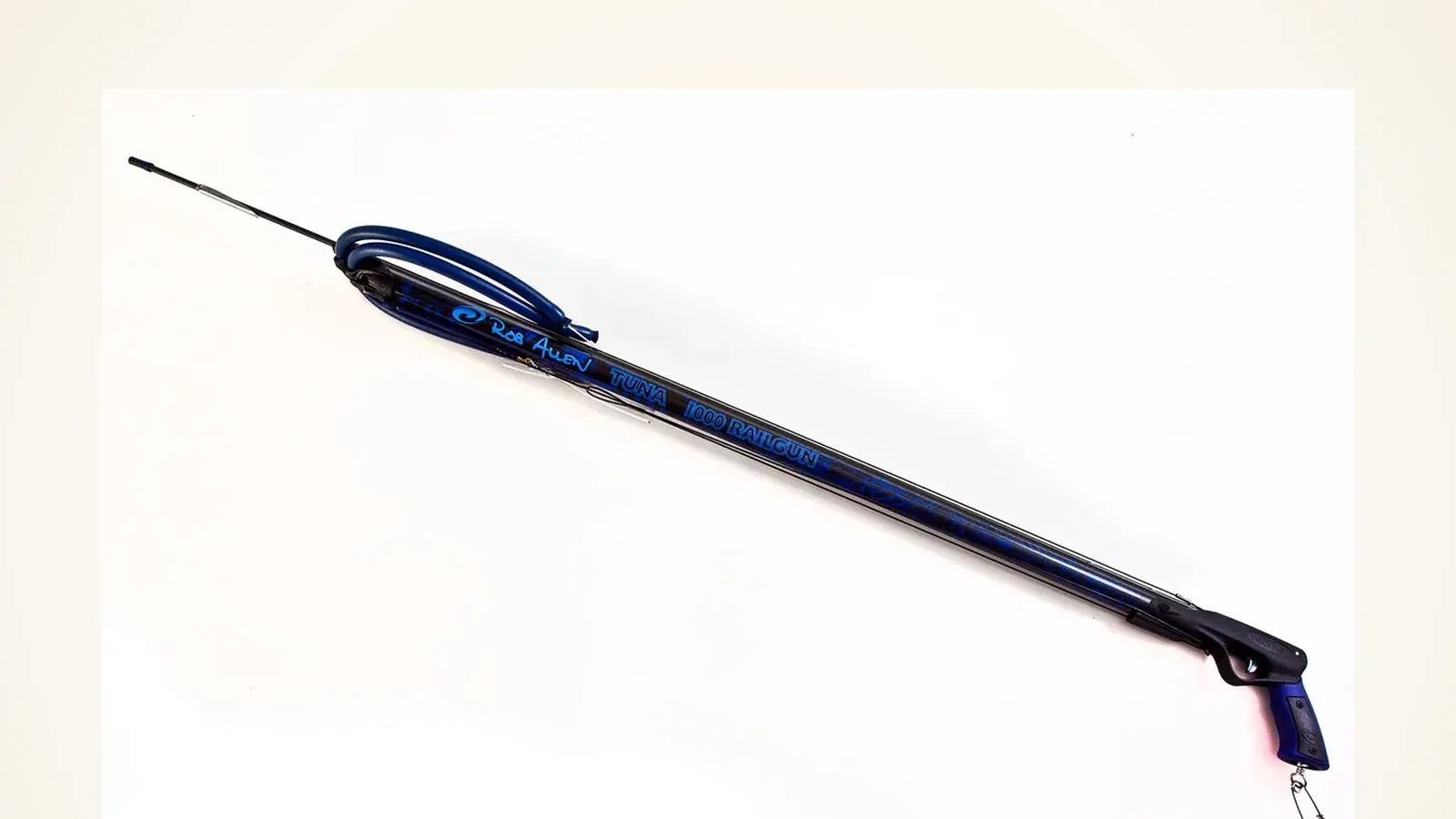
Snapper vs Tuna rail: which Rob Allen speargun for Thai reefs?
Snapper vs Tuna rail compared for Thai conditions. Honest picks by use case, real THB pricing, and when each gun is actu…
Gear
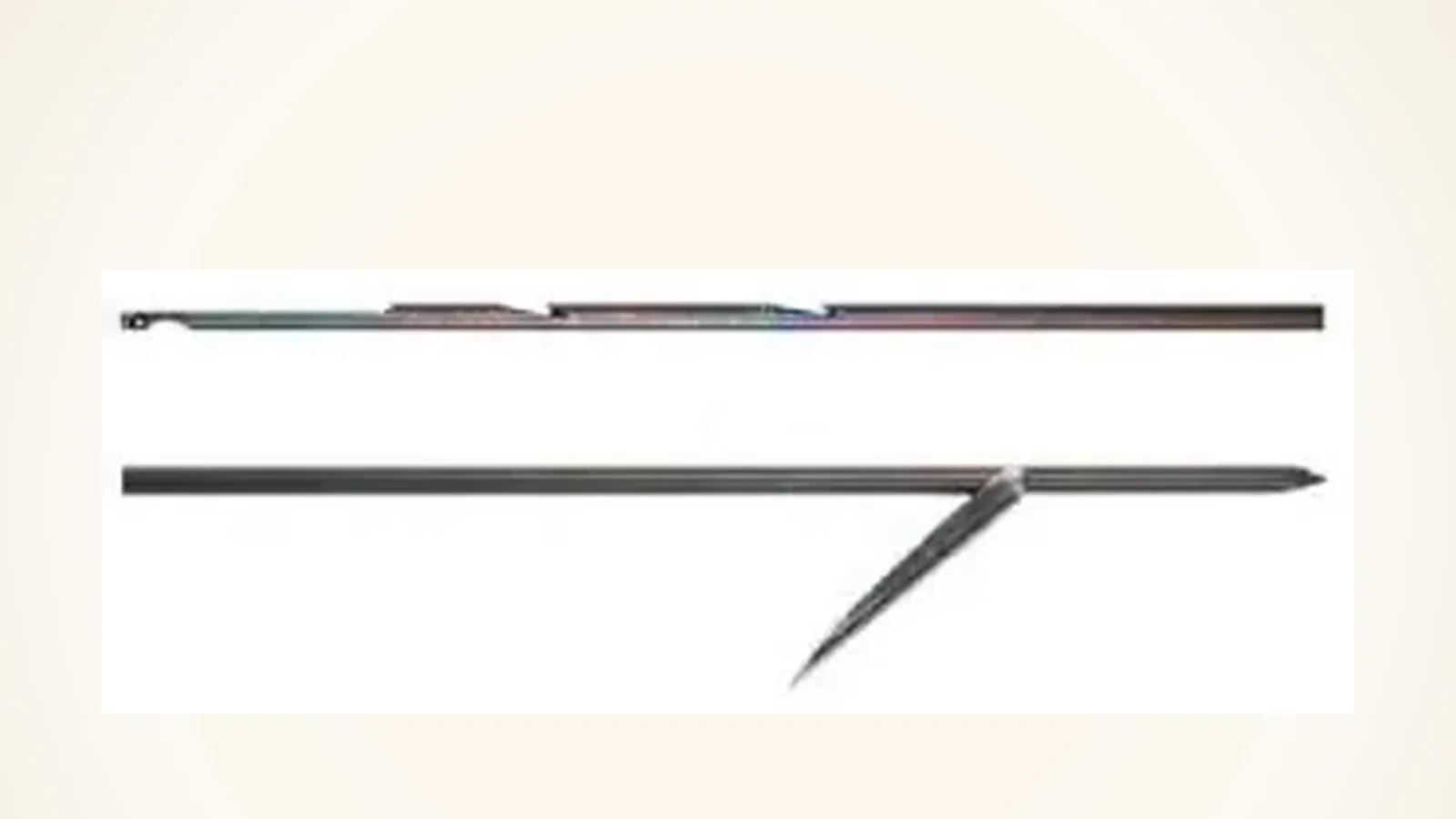
Squared barbs: 15% faster, 30% stronger — Rob Allen's 2025 update
Rob Allen's new squared-barb design gives 15% more spear velocity and tests stronger than radiused barbs. Thai reef + bl…