Gear · 18 March 2026
Triple-band or double-band? Rob Allen's Transkei test, Thai translation
Rob Allen's 2024-25 triple band development. When the extra rubber is worth the loading effort for Thai bluewater targets.
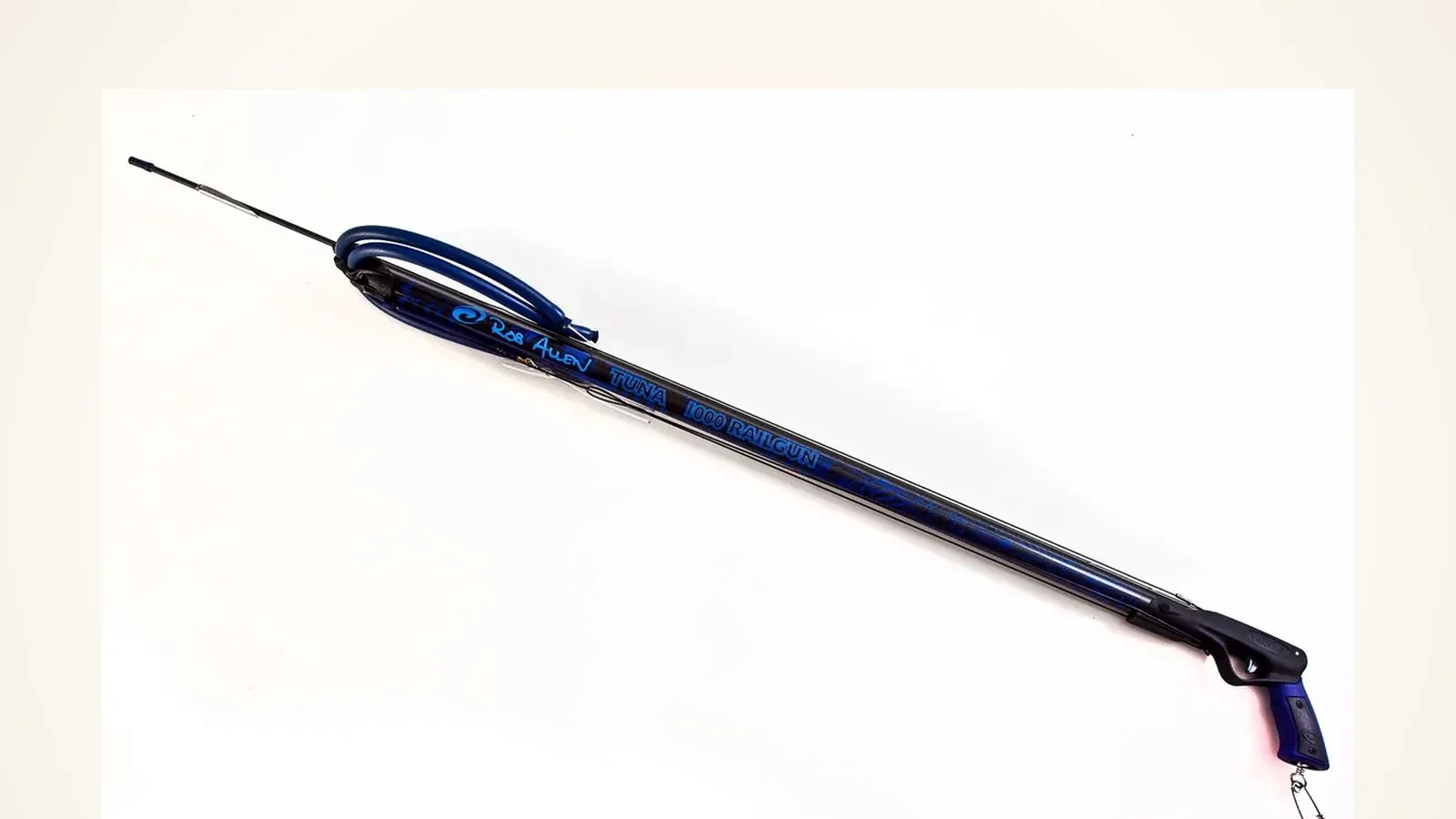
Triple-band or double-band? Rob Allen’s Transkei test, Thai translation
The triple band is the big 2024-25 story on the Rob Allen test bench. CNC drawings, 3D printed prototypes, pool testing, then open-ocean testing in Sodwana and the Transkei — Rob filmed every step of it on the channel.
Here is whether the extra band makes sense for Thai bluewater targets, and when it is overkill.
What the triple band actually is
A muzzle that accepts three independent rubbers instead of two. Rob’s design uses three 16 mm bands in parallel, each with its own wishbone and line attachment. More rubber equals more stored energy, which equals more spear velocity.
He started from a CAD model, 3D-printed the prototype, tested in a pool, tweaked the geometry, went to tooling for the real parts, tested again in the pool, then took it to open ocean.
The R&D video shows the full development cycle. The Transkei field test shows it in open water.
What the extra band buys you
- Higher peak spear velocity. All three rubbers pulling in parallel release more energy than two rubbers in the same stretch window.
- More penetration on big fish. Spear velocity is directly proportional to penetration. A 15% velocity bump is a 15% penetration bump, which can be the difference between a stone shot and a run on a tough-fleshed fish like wahoo.
- Longer effective range. More velocity means the spear holds trajectory farther before gravity takes it.
What it costs you
- Loading effort. Three 16 mm bands at 400% stretch is serious work. Rob has a loading-butt video showing the technique. You need a chest pad, strong hands, and good technique or the gun will get away from you.
- Barrel stress. Three bands pull more force than two. On aluminium this is a problem — you will flex the barrel. Rob specifically tested the triple band on the Timberline barrel because carbon + wood handles that force.
- Spear recovery. Heavier loads + higher velocity means if you miss into open water, the spear flies further and recovery takes longer.
When it makes sense in Thailand
Andaman bluewater specifically. Wahoo, dogtooth tuna, big Spanish mackerel, sailfish — the fish that commit at range in clean water. These are tough-fleshed, large, often in open water where a stone shot matters because a wounded runner is harder to track in 40 m visibility than in 10 m visibility.
If you dive Similans, Richelieu Rock, or offshore banks on the Andaman side, and you are regularly in water over 10 m deep chasing fish over 15 kg, the triple band earns its keep. Otherwise it is bench science you will never feel.
When it is overkill in Thailand
Gulf of Thailand reef hunting. Grouper in holes, snapper on structure, jacks on reef edges. The shots are close (2-4 m), the fish are smaller (under 10 kg mostly), and the visibility is often 6-12 m. A single band on a 90 cm gun shoots straight-through shots on most Gulf reef targets.
Adding a third band to hunt Gulf reef fish is like bringing a rifle to a dart game. You will shoot through fish and into the reef. You will tire yourself out loading between shots. You will bend spears hitting structure.
The actual decision tree
- Dive almost exclusively reef under 15 m? Single band. Maybe double for bigger reef fish.
- Mixed reef + occasional bluewater trip? Double band. The triple is not worth buying for 2-3 trips a year.
- Dive bluewater 10+ times a year chasing specifically wahoo / big GT / dogtooth? Triple band on a Timberline or a GT Carbon. Worth the loading effort for the species you are actually chasing.
- First-year spearo? Single band until your technique is consistent. Loading a double or triple under real conditions is not a beginner skill.
The roller alternative
If you like the idea of more power without the loading headache of a triple band, a roller muzzle is the other path. Two rubbers, but each rubber runs through a pulley and powers the spear for a longer portion of its travel. Comparable velocity to a triple band, easier loading, but roller guns have their own learning curve (accuracy shifts during the transition — see the accuracy diagnostic tool).
Most Thai bluewater regulars end up with either a Timberline Triple Band or a GT Carbon Roller. Both are specialist tools. Buy one or the other, not both.
Want to see Rob loading a triple band?
The Triple Band Part 2 video shows the loading technique. Worth watching before you commit to the setup — if the technique looks hard in the video, it is harder in a rocking boat.
If you are thinking about upgrading to a triple band or a roller for an upcoming Andaman trip, WhatsApp me with your trip dates and target species. I will tell you which is the right move for your skill level and what you are chasing.
Published 18 March 2026 · Diego Pauel · Gear
triple bandrob allenbluewaterrubberloading
Keep reading
You might also like.
Gear
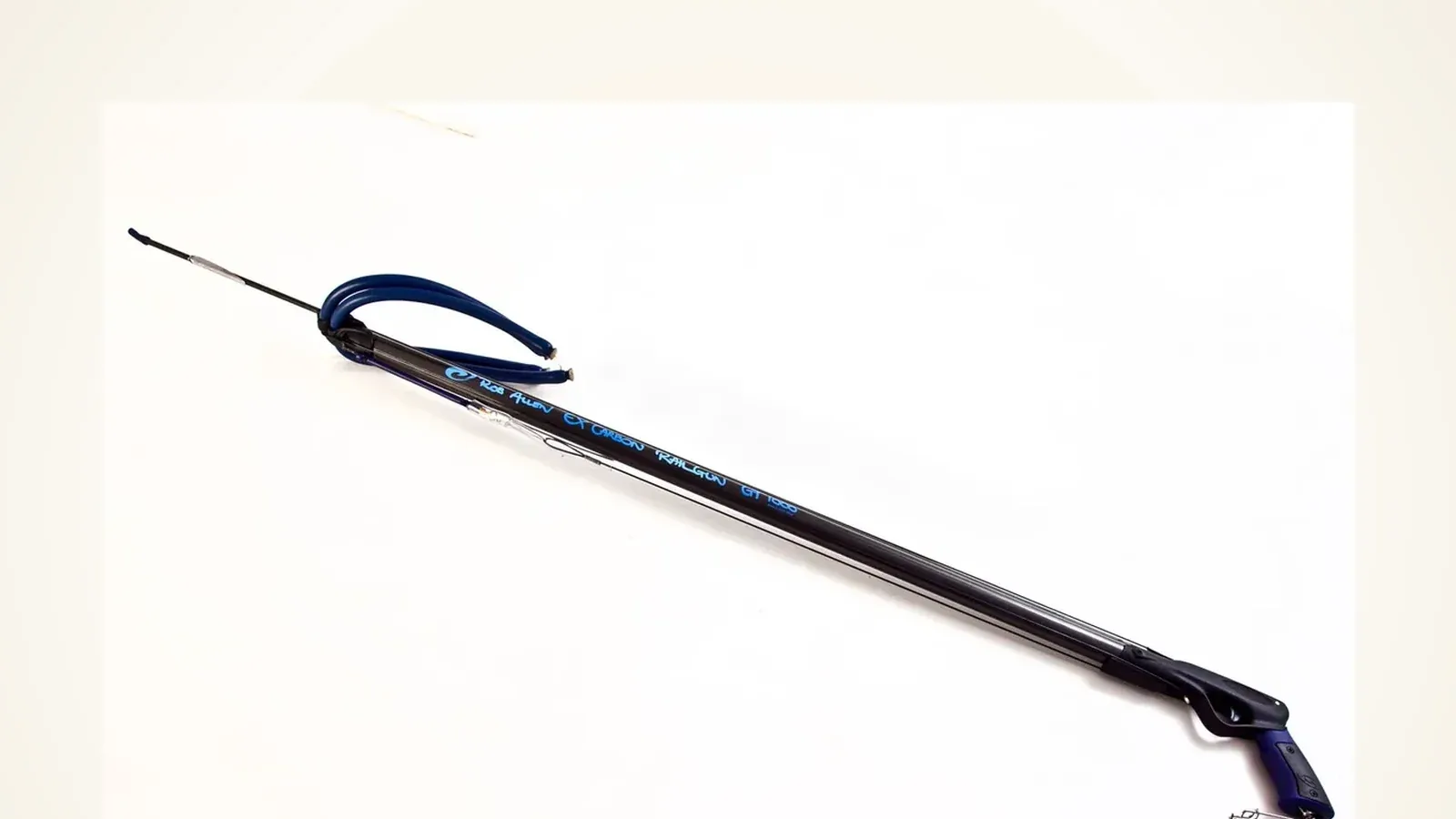
Rob Allen carbon rollers: when they're actually worth the money
Carbon roller spearguns cost 2 to 3 times a standard railgun. Here is the honest take on when they matter for Thai divin…
Gear
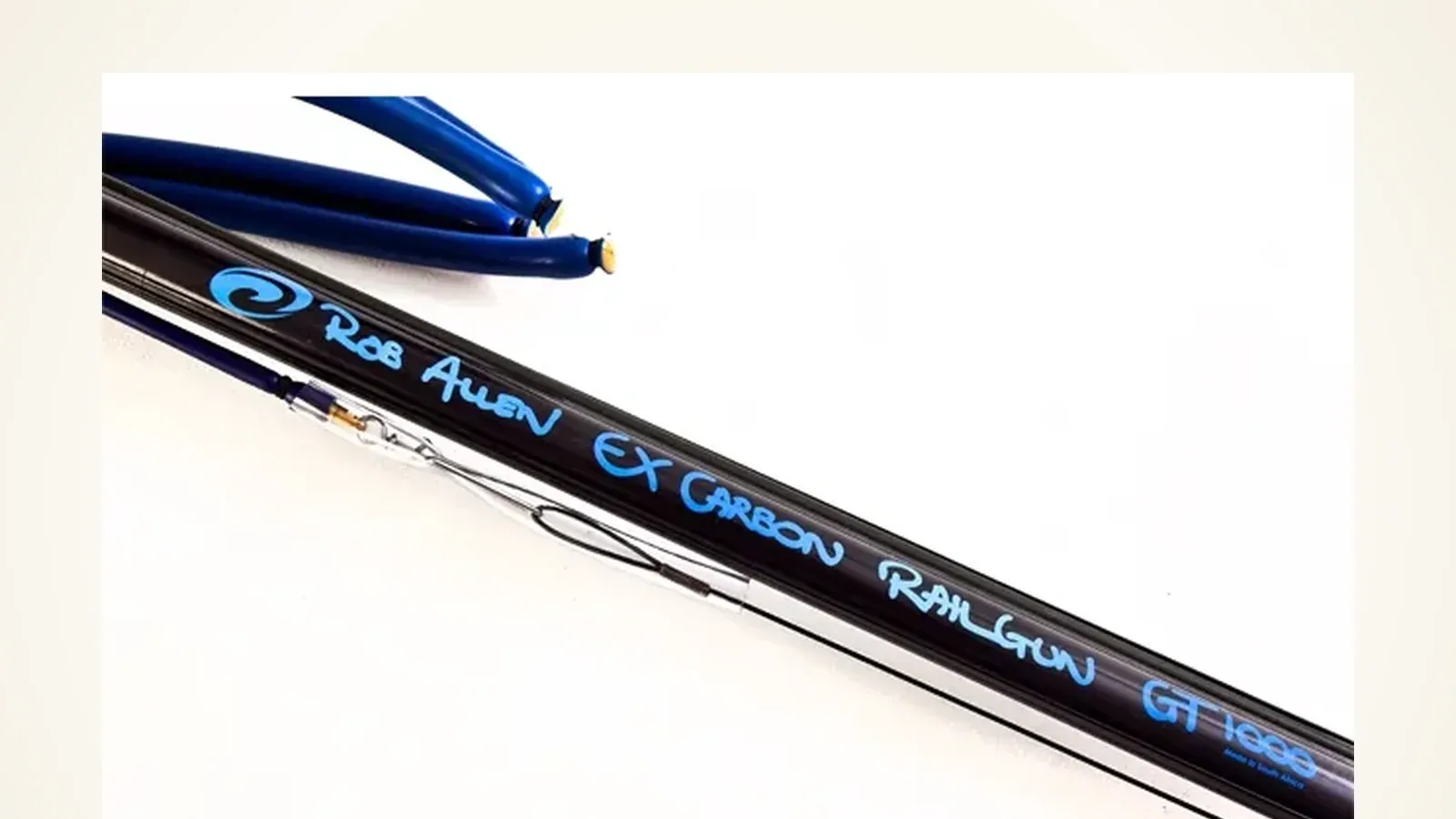
Aluminium, carbon, or Timberline: which barrel for Thai reef vs Similans bluewater
Rob Allen's 2024 deflection series measures barrel flex across three materials. Here's what the numbers mean for Thai re…
Gear
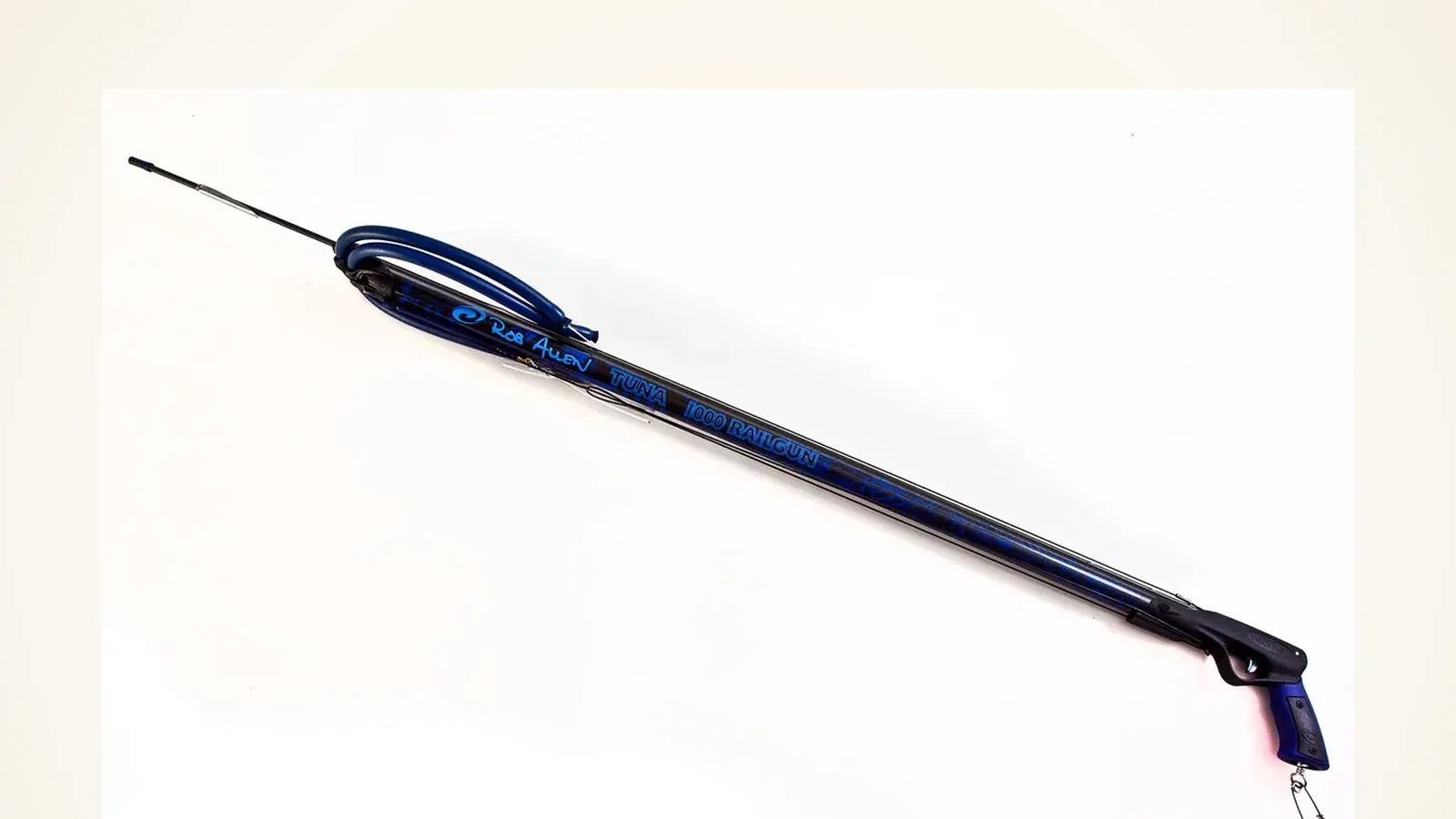
Snapper vs Tuna rail: which Rob Allen speargun for Thai reefs?
Snapper vs Tuna rail compared for Thai conditions. Honest picks by use case, real THB pricing, and when each gun is actu…