Gear · 1 March 2026
Aluminium, carbon, or Timberline: which barrel for Thai reef vs Similans bluewater
Rob Allen's 2024 deflection series measures barrel flex across three materials. Here's what the numbers mean for Thai reef hunting vs Andaman bluewater trips.
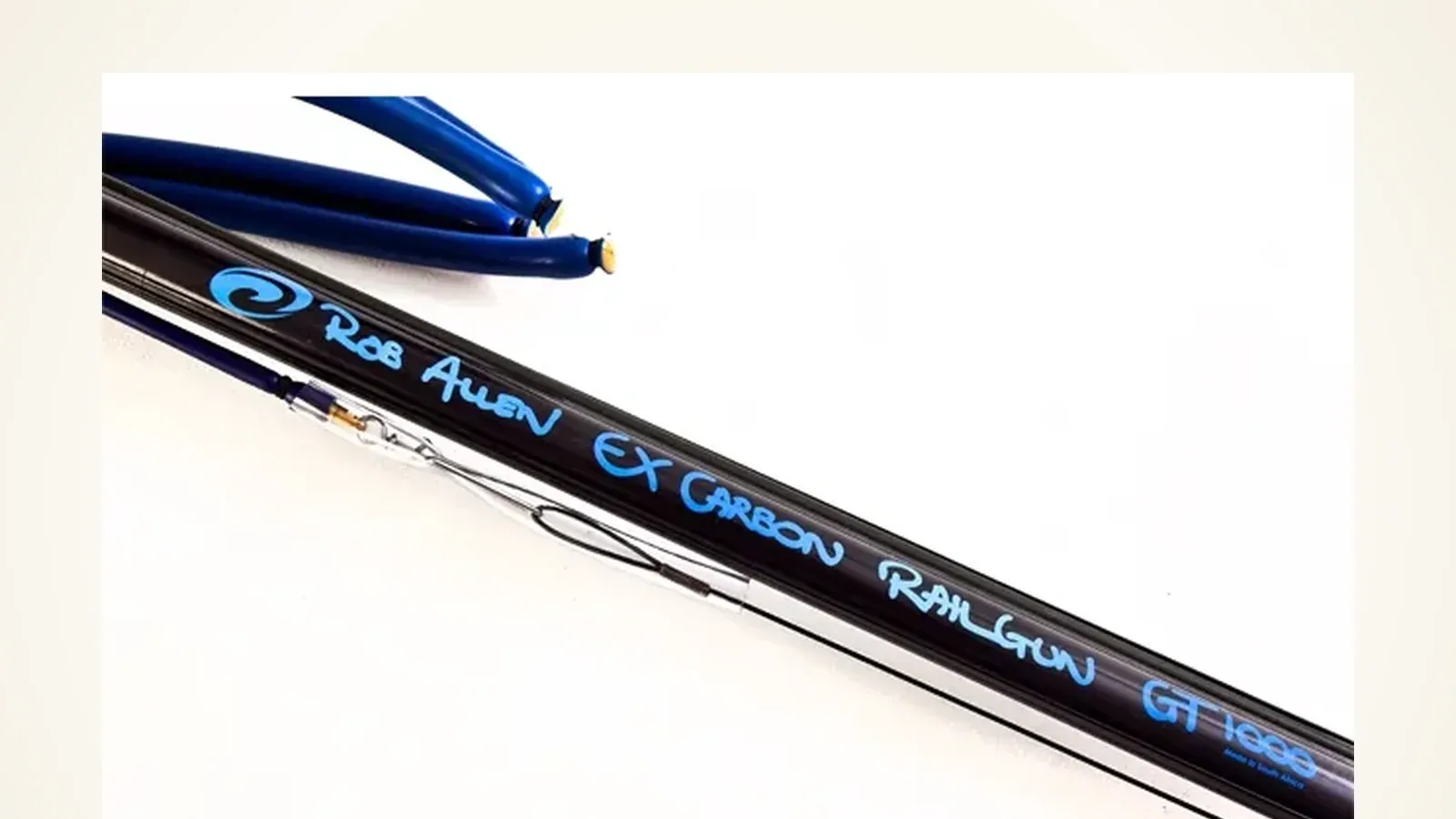
Aluminium, carbon, or Timberline: which barrel for Thai reef vs Similans bluewater
Three barrel materials in the Rob Allen catalogue. Four-figure price range between the cheapest and most expensive. Most spearos overthink this.
Rob Allen put all three on the same test rig in 2024 and pulled them to 100 kg of band load. The numbers tell you what you actually need.
The test
Same length barrel, same jig, same clamping, same 100 kg pull. The only variable is the barrel material. A ruler next to the barrel shows deflection under load.
- Aluminium (Barrel Deflection Part 1): measurable deflection at 50 kg, visible wobble at 100 kg.
- Carbon (Part 2): roughly 30% stiffer than aluminium. Significantly less wobble at the same load.
- Timberline (wood laminate over carbon core, Part 3): noticeably stiffer again. The wood layer adds hoop strength to the carbon tube. Rob: “way less stress.”
Rob also did Part 4 on roller muzzles and Part 5 on thin-walled aluminium for completeness.
What “stiffer” actually means on a dive
Stiffer barrel = less flex = less energy lost to the barrel flexing = more energy into spear velocity + more predictable accuracy.
On a single-band 16 mm rubber setup, the difference is small. On a double-banded 18 mm setup aimed at bluewater fish, the difference is huge. An aluminium tube over-banded like that is flexing so much under load that the spear loses velocity and drops low.
Thai-reef use case
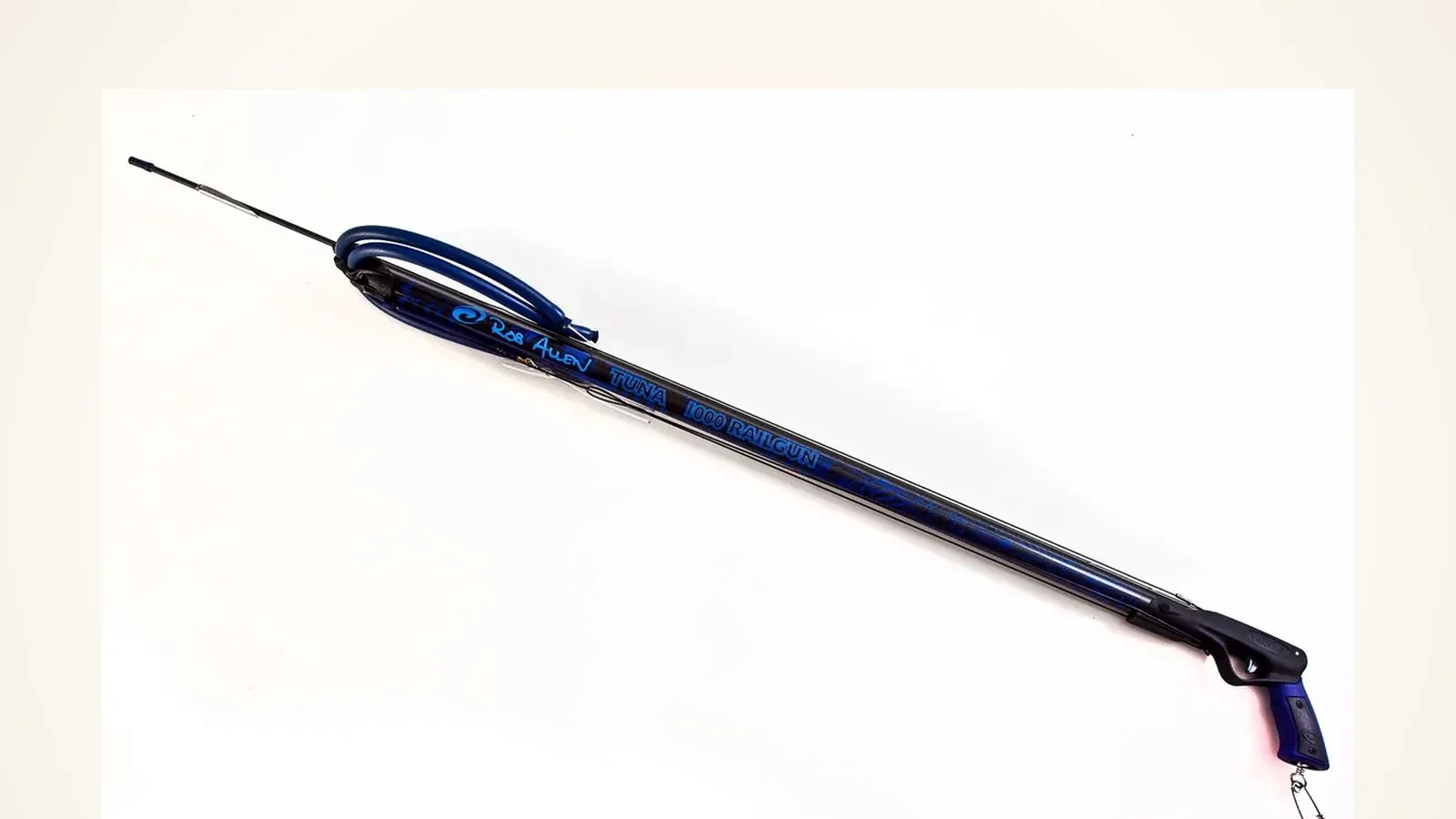
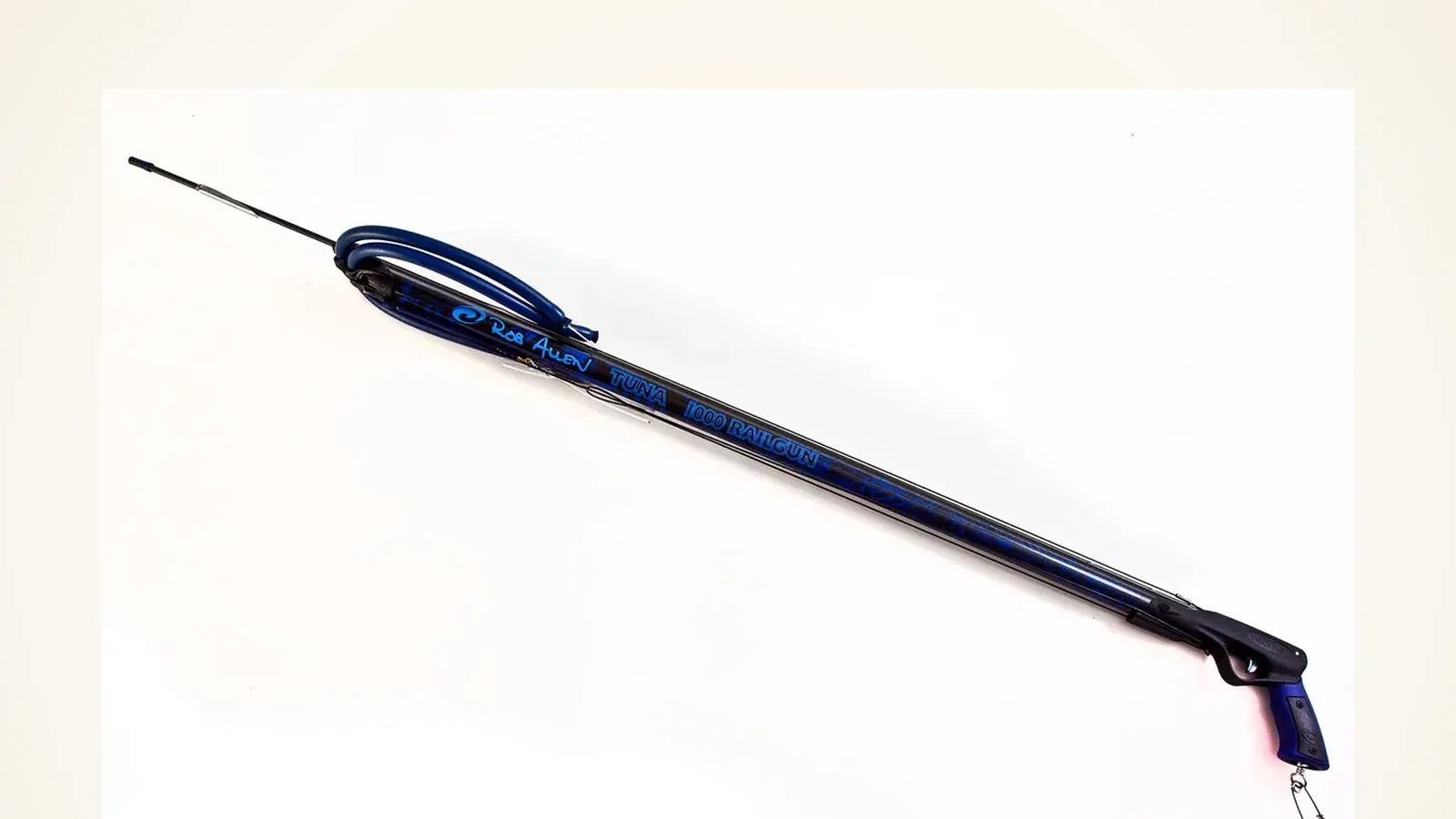
For reef hunting in the Gulf of Thailand — grouper, snapper, GT under 10 kg — an aluminium Rob Allen Snapper or Tuna Rail is the answer. You are shooting single-band, you are in close, the barrel is not under enough load to flex meaningfully. Spending on carbon buys you nothing you will feel.
The aluminium also shrugs off reef contact better than carbon. Carbon tubes crack under enough side impact. Aluminium dents and keeps working.
Similans / Andaman bluewater use case
Similans trips target wahoo, dogtooth, sailfish, big GT. You are running double-band 18 mm rubbers or a roller muzzle, probably an 8 mm spear, at longer range than reef shots.
This is where carbon earns its keep. The 30% stiffness advantage means your double-banded spear is actually leaving the gun at the velocity the physics predicts, not the velocity after barrel flex eats 15% of the energy. Shot accuracy at 5-7 metres — where bluewater fish usually commit — is visibly better.
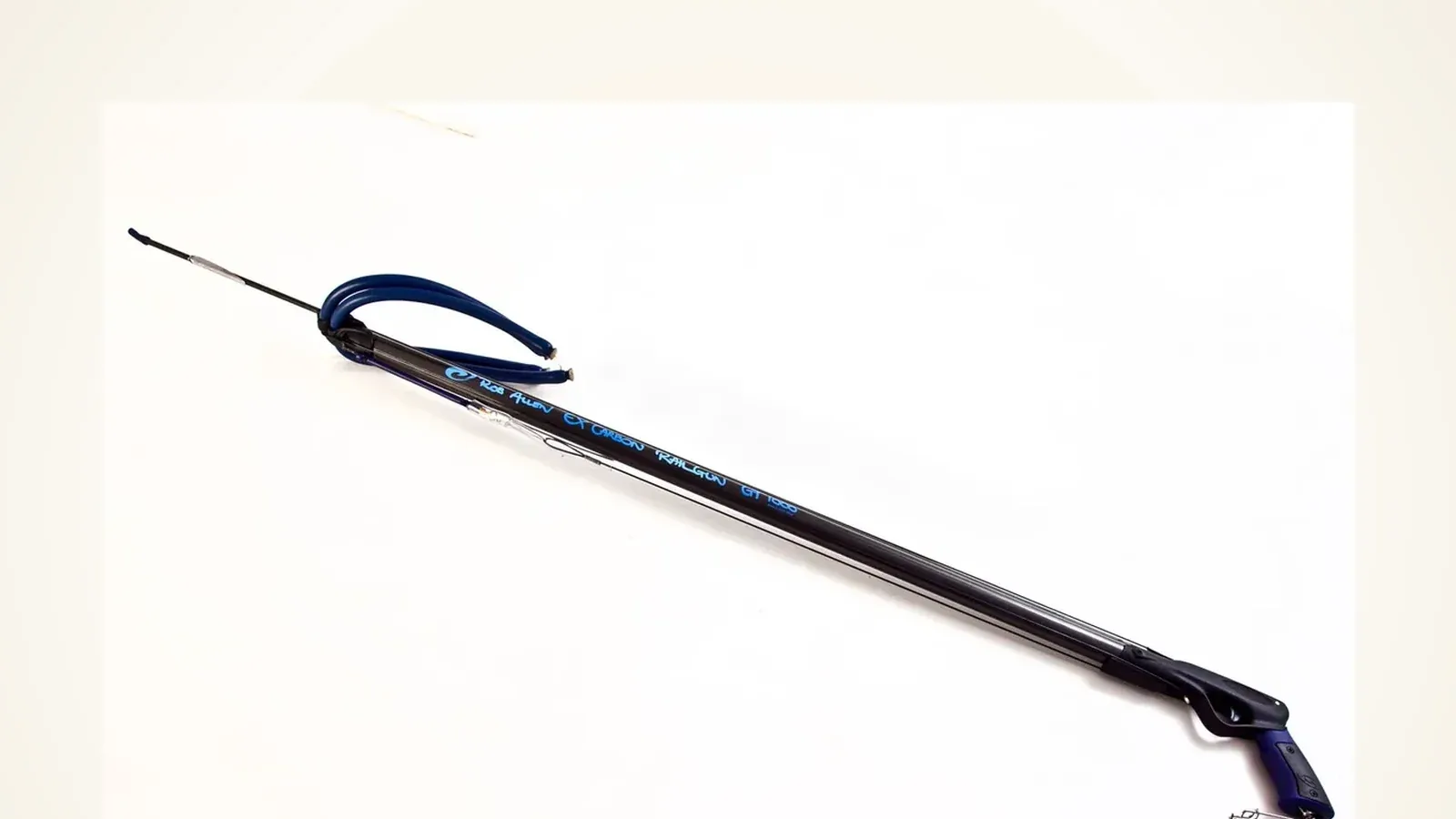
The GT Carbon or GT Carbon Roller is the specific gun most Thai bluewater regulars end up on after one or two trips with an aluminium setup.
When Timberline makes sense
Timberline is the top of the range. It is a wood laminate over a carbon core, which adds hoop stiffness to the carbon tube on top of what carbon already provides. Rob’s test showed it flexes measurably less than pure carbon.
It also floats better (wood buoyancy), tracks more smoothly (heavier swing weight, more momentum), and looks properly beautiful. Downsides: expensive, and the wood requires more care — no leaving it in a hot sealed bag for days.
For specialist bluewater use where you are chasing species that commit at distance — big Spanish mackerel, wahoo on the troll, sailfish — Timberline is worth the money. For reef, it is gorgeous overkill.
The roller caveat
If you are going double-band on aluminium and want to fix the deflection problem without spending carbon prices, the answer is a roller muzzle. Rollers pull the spear forward on both sides of the muzzle, so the barrel stays straight even under heavy bands. Rob Allen redesigned the roller muzzle in 2025 — lighter, better-balanced than earlier generations.
An aluminium roller gun ends up shooting flatter than a double-banded aluminium standard gun at a lower price point than carbon. Worth considering.
The actual recommendation
If I had to split my Thai customer base three ways:
- 70% on aluminium: reef hunters, first spearguns, anyone hunting fish under 10 kg. A Tuna Rail 90 or 100 handles this all day.
- 25% on aluminium roller or GT Carbon: bluewater trippers, Similans regulars, anyone running double-band setups on a budget (roller) or chasing performance (GT Carbon).
- 5% on Timberline: specialists, wood-gun enthusiasts, or spearos who want the best and do not mind the maintenance.
If you tell me your target species and your typical diving location, I can tell you which bucket you are in. Not a sales pitch — genuinely, the wrong barrel material is expensive in the opposite direction from “overspend”. Underspending for your actual use case means you will buy the right gun twelve months later anyway.
WhatsApp me with your target species and where you dive. I will give you the honest recommendation.
Published 1 March 2026 · Diego Pauel · Gear
barrelsrob allencarbontimberlinealuminiumbluewater
Keep reading
You might also like.
Gear
Triple-band or double-band? Rob Allen's Transkei test, Thai translation
Rob Allen's 2024-25 triple band development. When the extra rubber is worth the loading effort for Thai bluewater target…
Gear
Rob Allen carbon rollers: when they're actually worth the money
Carbon roller spearguns cost 2 to 3 times a standard railgun. Here is the honest take on when they matter for Thai divin…
Gear
Snapper vs Tuna rail: which Rob Allen speargun for Thai reefs?
Snapper vs Tuna rail compared for Thai conditions. Honest picks by use case, real THB pricing, and when each gun is actu…