7L and 12L foamed floats, flashers
Floats & flashers
Hardcore bluewater floats with brand-consistent rigging points. Flashers for tuna, wahoo, GT.
 Relaunch pricingSale
 Floats & flashers
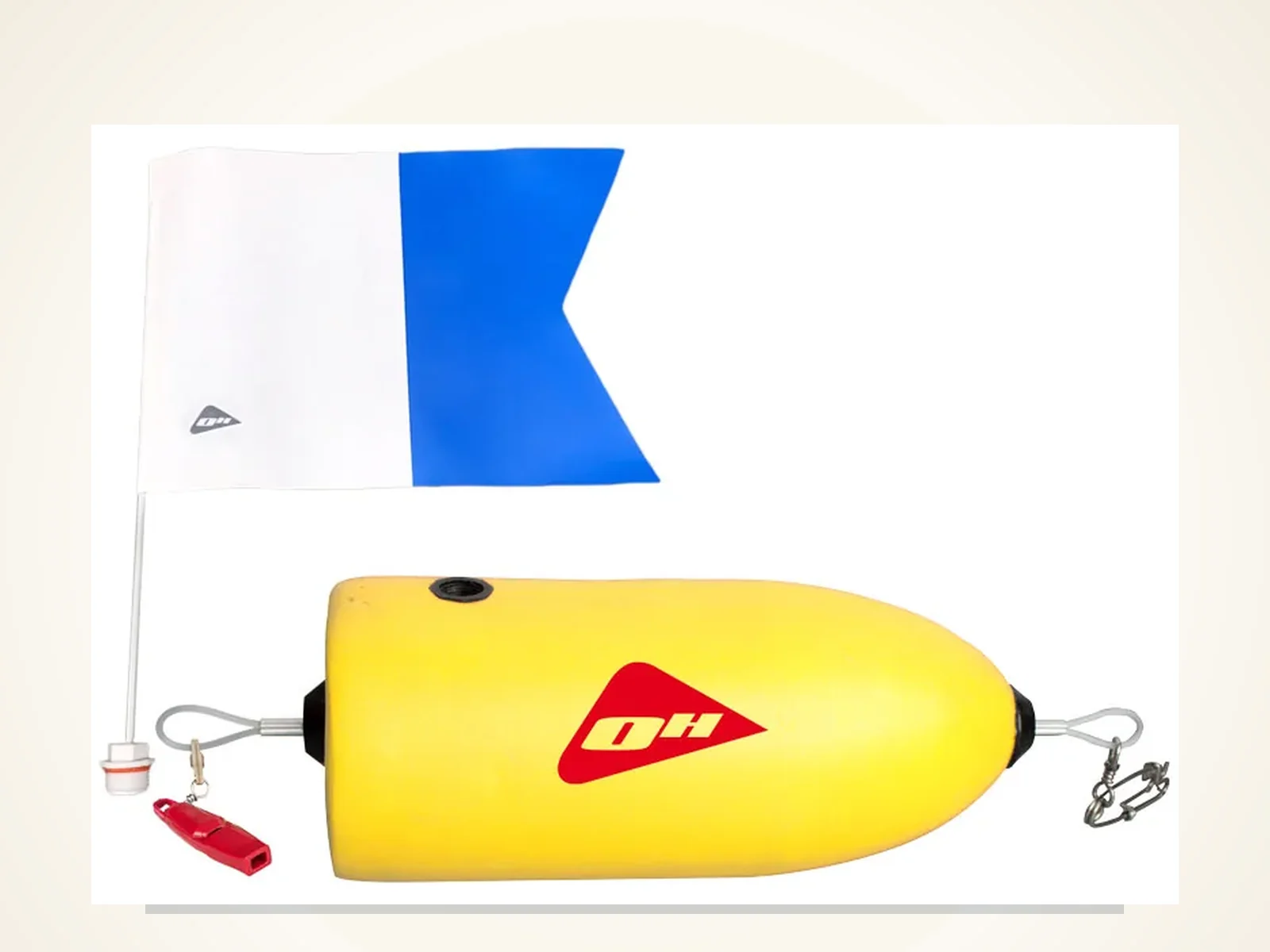
FLOAT12 - FOAM INJECTED INC 2 SWIVEL CLIP LANYARD
 Relaunch pricingSale
 Floats & flashers
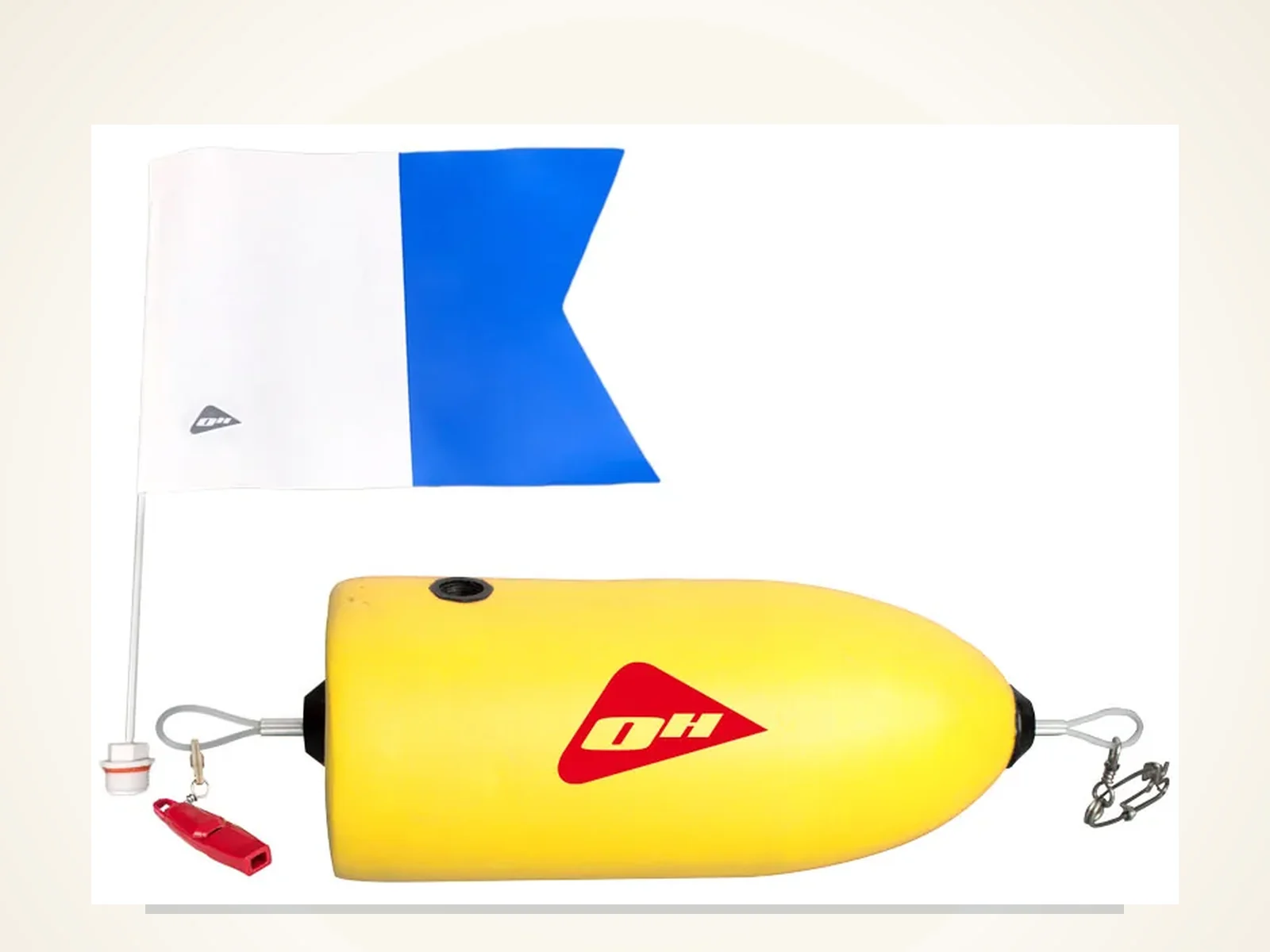
FLOAT12 - FOAM INJECTED INC FLAG & 2 SWIVEL CLIP LANYARD
 Relaunch pricingSale
 Floats & flashers
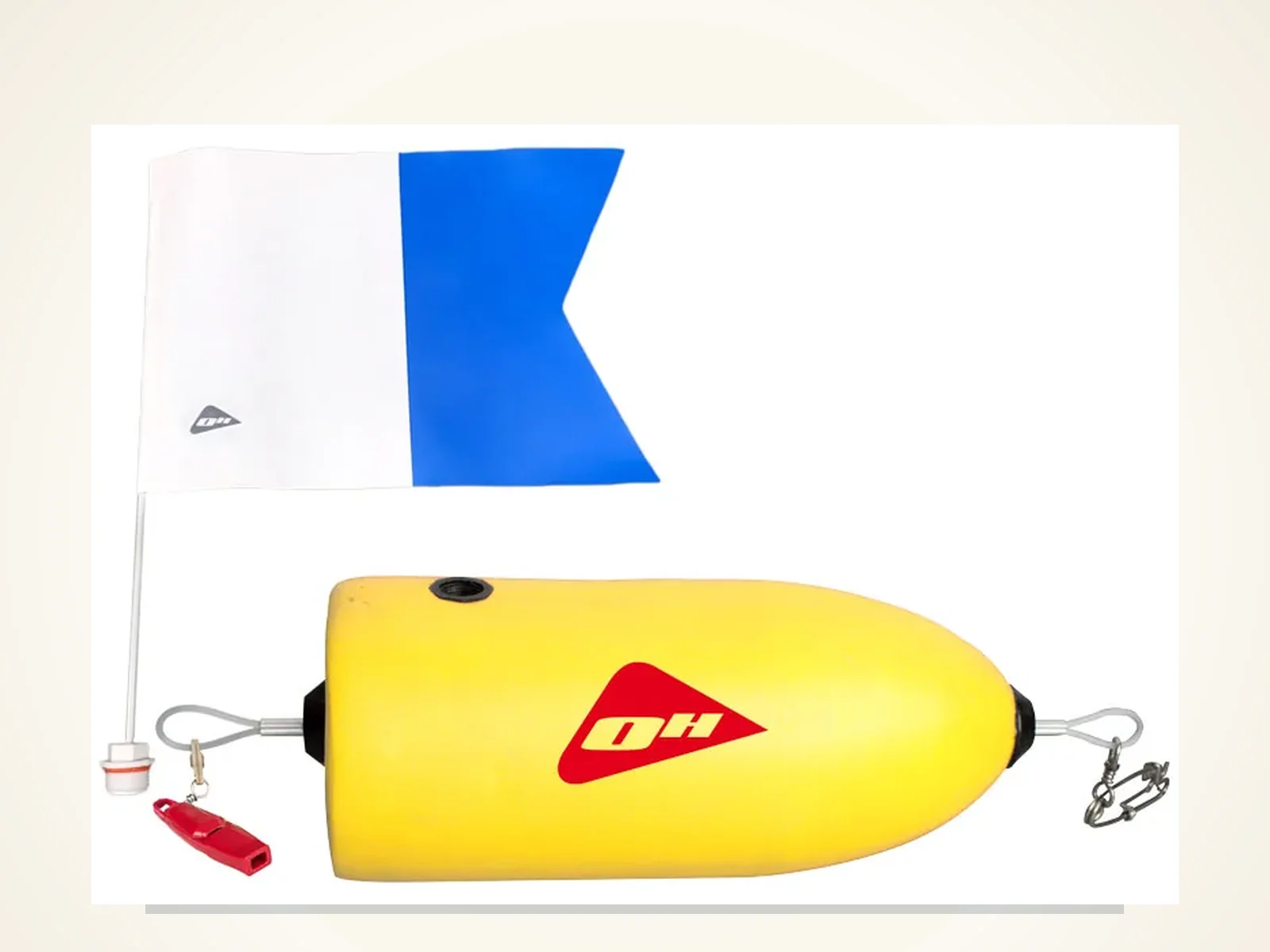
FLOAT7 - FOAM INJECTED INC 2XSWIVEL CLIP LANYARD
 Relaunch pricingSale
 Floats & flashers
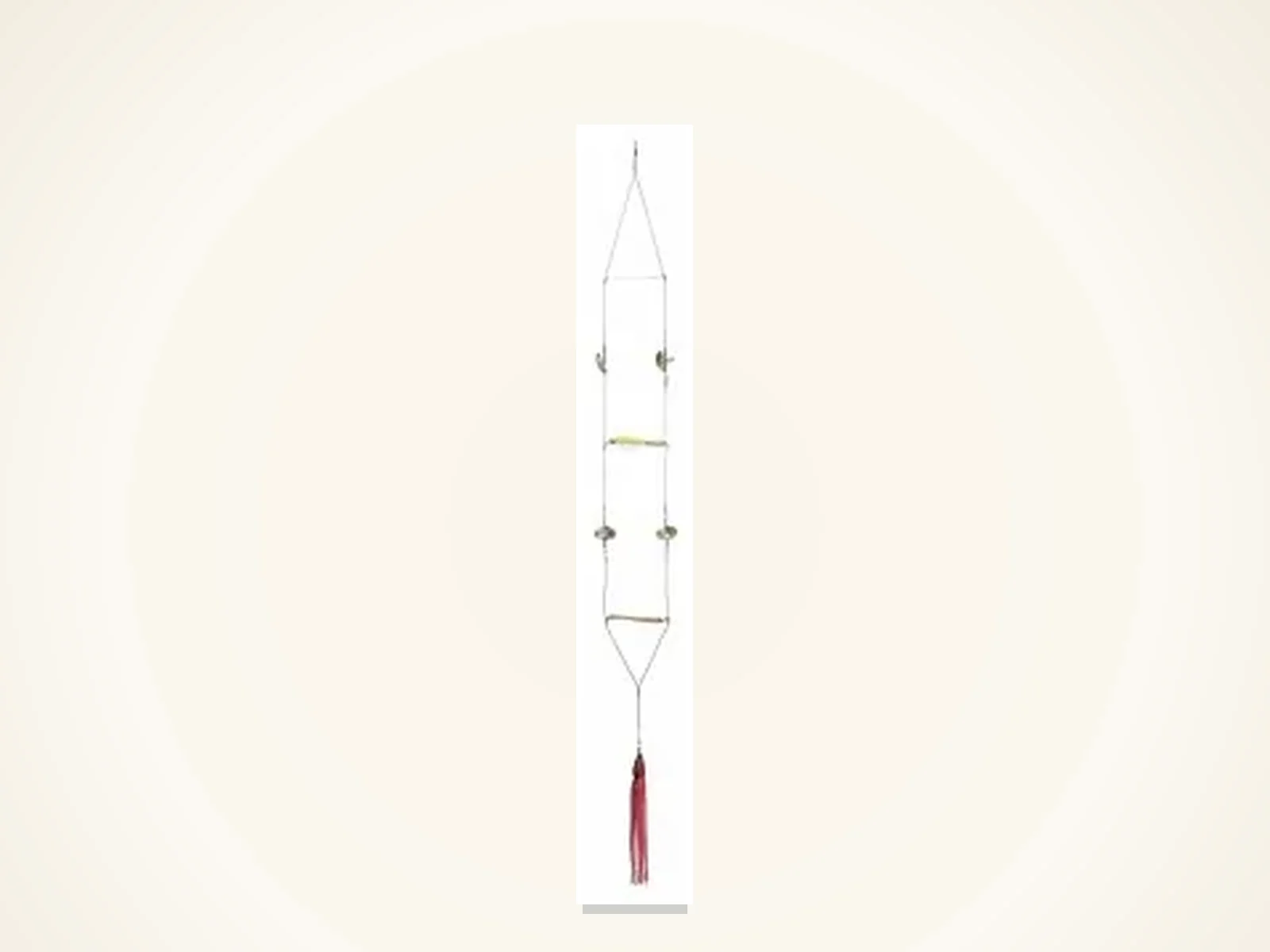
COMBO FLASHER WITH FLASH FLOAT
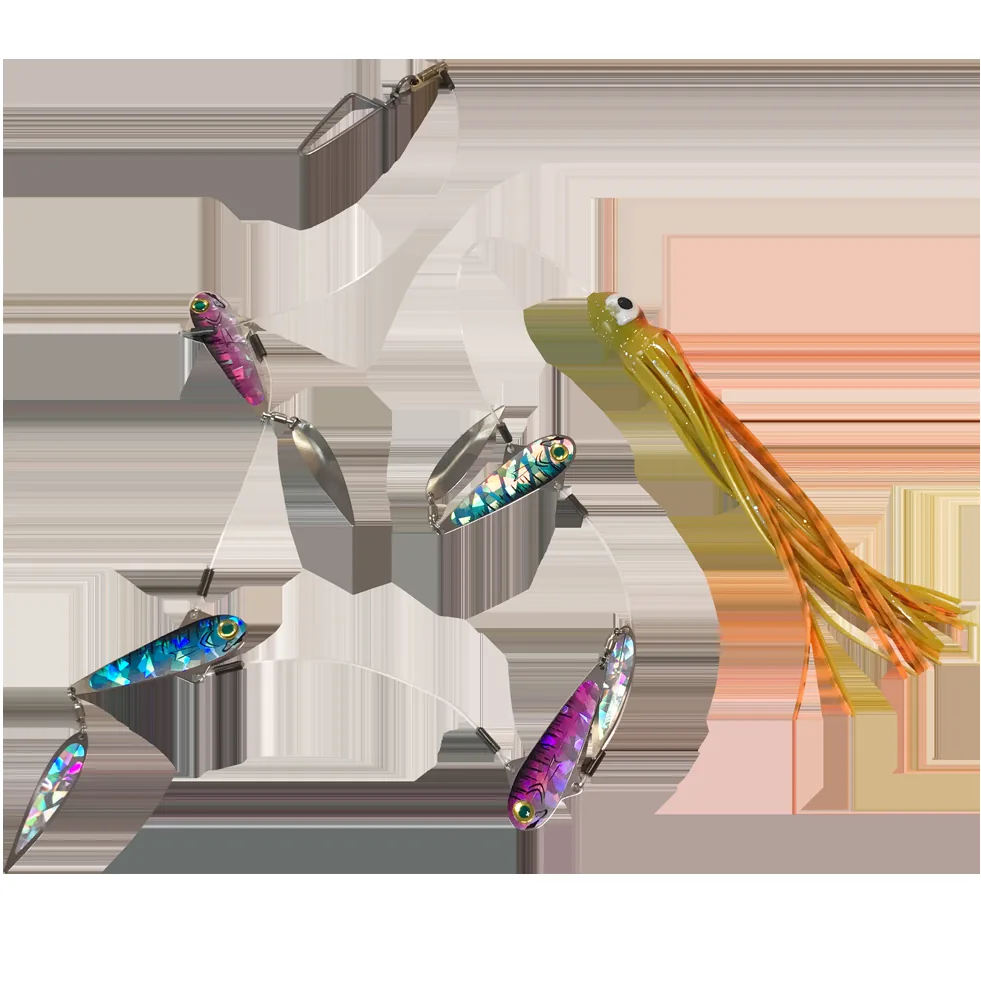 Relaunch pricingSale
 Floats & flashers
SPINNER FLASHER LARGE WITH FLASH FLOAT & FLAG
The engineering case
Bluewater float engineering.
A float that rips open on a wahoo sounding is a bad day. Rob Allen tests float pressure tolerance on a hydraulic rig and publishes the numbers.
Hypalon construction — same material as RIB hulls
Rob Allen inflatable floats are Hypalon — the same material used for high-end inflatable boat hulls. Resistant to abrasion, UV, and punctures in a way that standard PVC floats are not.
Watch Rob Allen's test →Pressure tank tested with water, not air
Rob pressure-tests floats by filling with water and pressurising — because compressed air inside a float that fails would explode violently. His 35L float passes 450+ kilopascals before any distress.
Watch Rob Allen's test →Roto-moulded hard floats with variable wall thickness
The hard plastic torpedo floats are rotationally moulded. Pre-heated zones in the mould attract more plastic, so high-stress points (tie-loops, keel) have thicker walls than low-stress zones. 2-3% shrinkage during cooling releases the float cleanly from the mould.
Watch Rob Allen's test →11L / 20L / 35L sizes for the right application
Not every dive needs a 35L float. 11L for shallow reef, 20L for mid-water, 35L for bluewater. Matching float volume to target fish is as important as matching band to gun.
Watch Rob Allen's test →Float + rigging + line + bungee = a system. Getting the components right matters. Message me with your target species and I'll spec the whole rig.
Before you buy
Floats & flashers — common questions
7L or 12L? +
7L is enough for reef work and mid-size pelagics. 12L for heavy dogtooth, marlin-size fish, or when you are running a long float line in current. Bigger float = more drag for the fish.
How do flashers work? +
They mimic baitfish movement and pull pelagics in from distance. Deploy 5-15m below the surface, let the current swing. Works best in clear blue water with visible bait.